My husband and I have always embraced the thrill of adventurous road trips. When our twin girls were born three years ago, I briefly feared that our globe-trotting lifestyle would be upended by two tiny humans. However, I soon realized that wasn’t the case. We began traveling with our daughters, Bella and Rafa, when they were just eight weeks old, embarking on their first journey beyond our home with a long-haul flight from Munich to Rio de Janeiro.
As I began getting more sleep at night, I became bolder about how and where we could take our girls. When they turned nine months, we drove from Southern Germany to Portofino, Italy, and at ten months, we braved a nine-hour drive to the south of France. With each trip, I became increasingly convinced our family of four could explore any destination we desired, regardless of kid-friendly amenities. This adventurous spirit opened doors to many European destinations and far-off places, including northeastern Brazil, Saint Barths, South Africa, and the islands of Sao Tome & Principe in West Africa.
These travel experiences set the stage for our next ambitious adventure as Rafa and Bella turned three: a boat expedition followed by an epic 2,500-mile road trip from Southern to Northern Patagonia. Traveling with toddlers in such a sparsely populated region is challenging, but we refuse to let that deter us from exploring the places that inspire us. We packed three suitcases, a few toys—two teddies, crayons, and children’s books—and absolutely no screens. For one and a half months, we traversed one of the planet’s most extensive wild frontiers.
PUNTA ARENAS TO TORRES DEL PAINE, CHILE
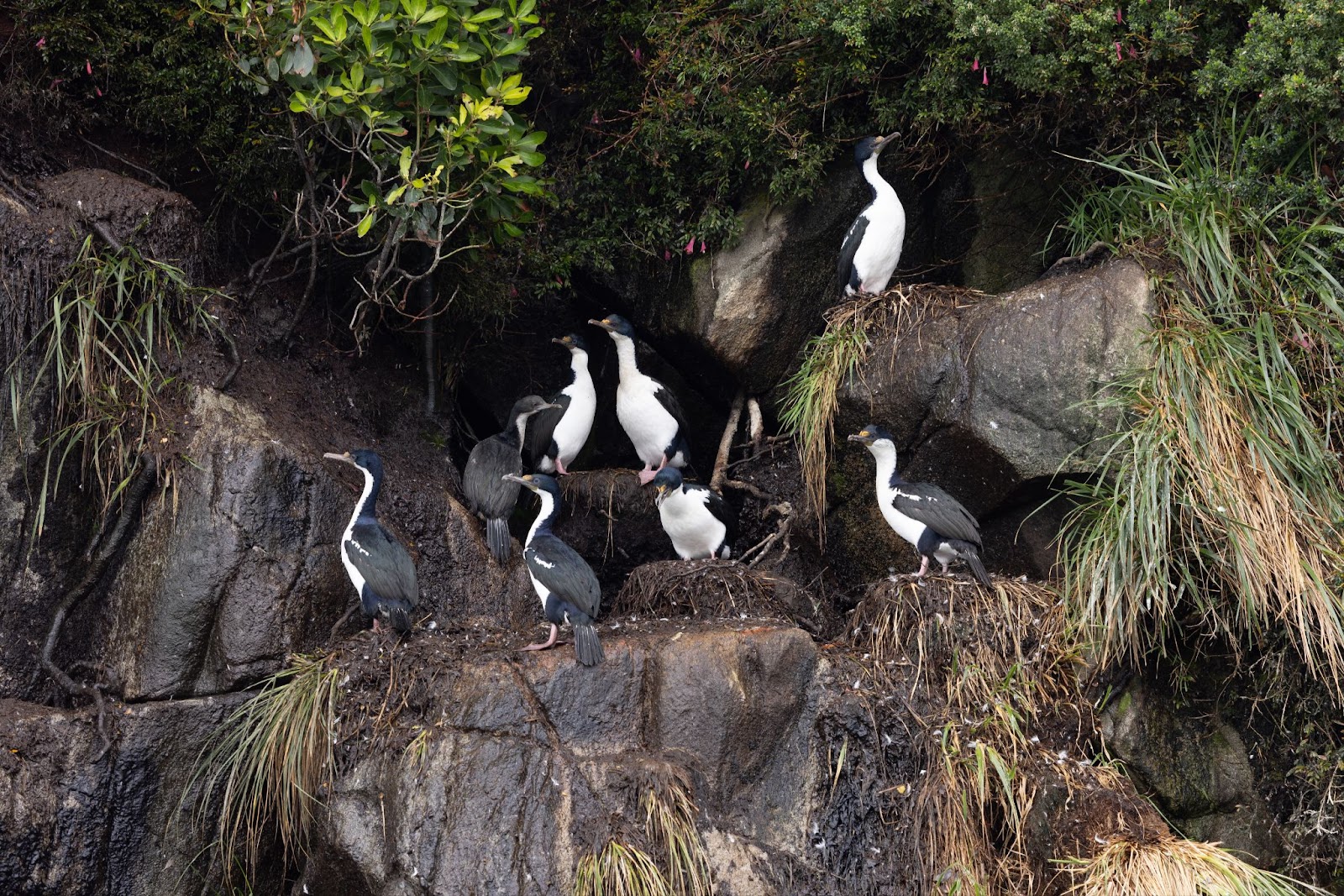
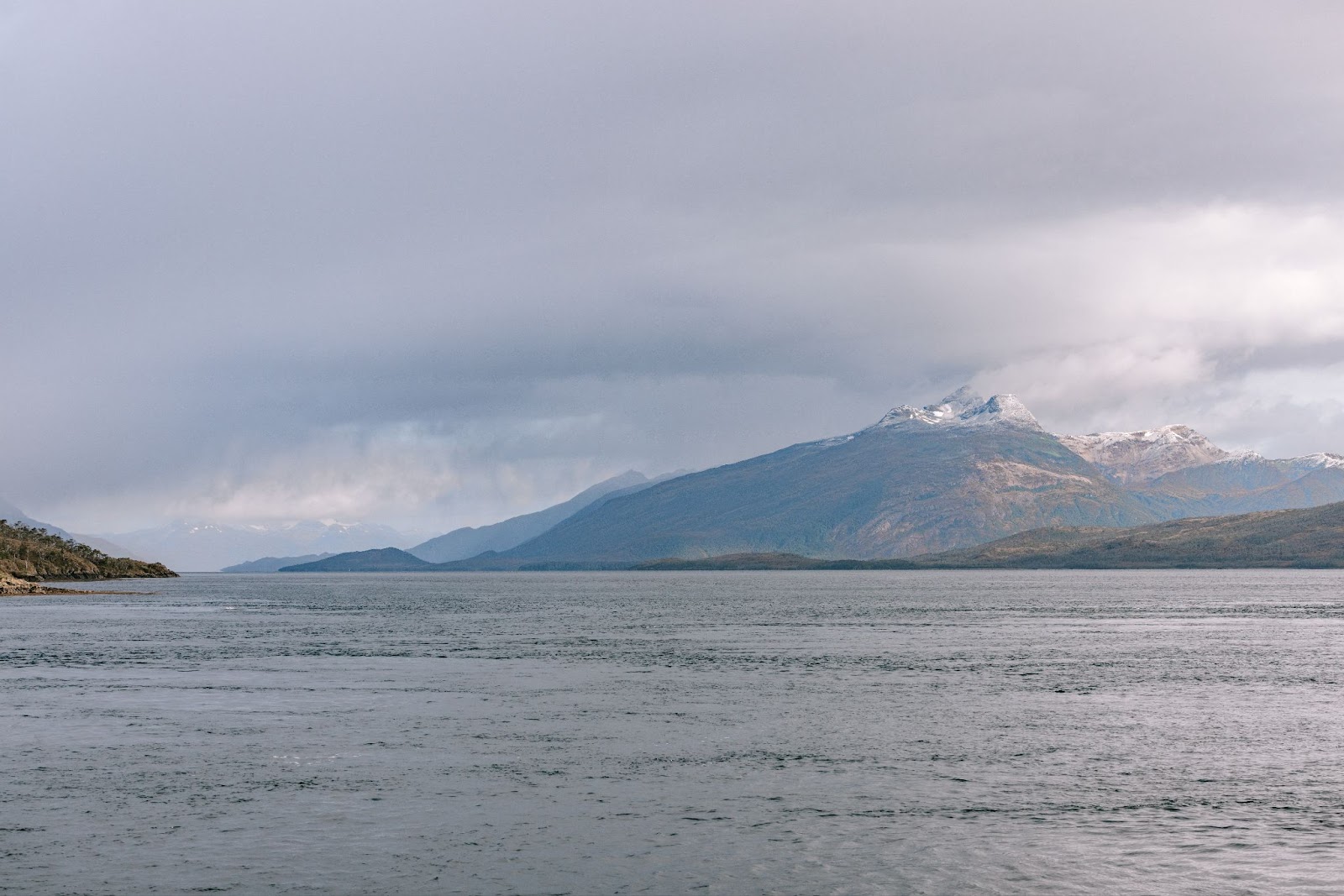
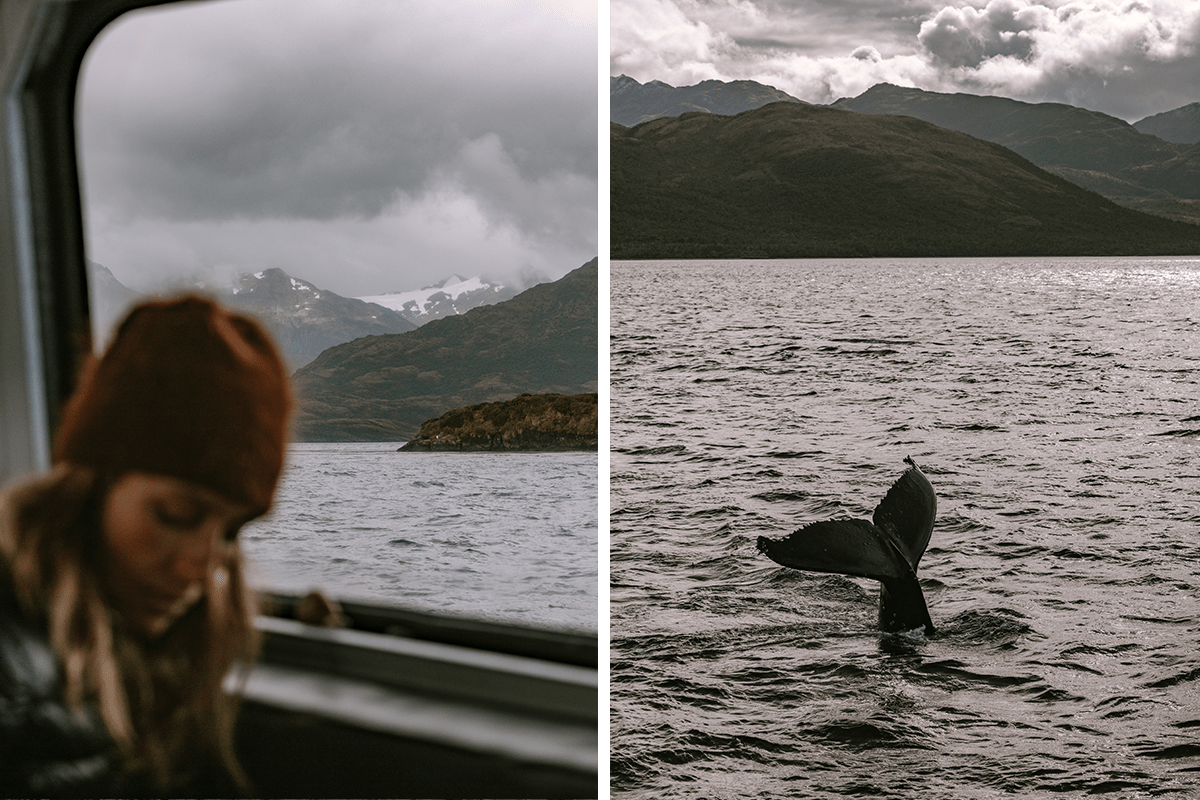
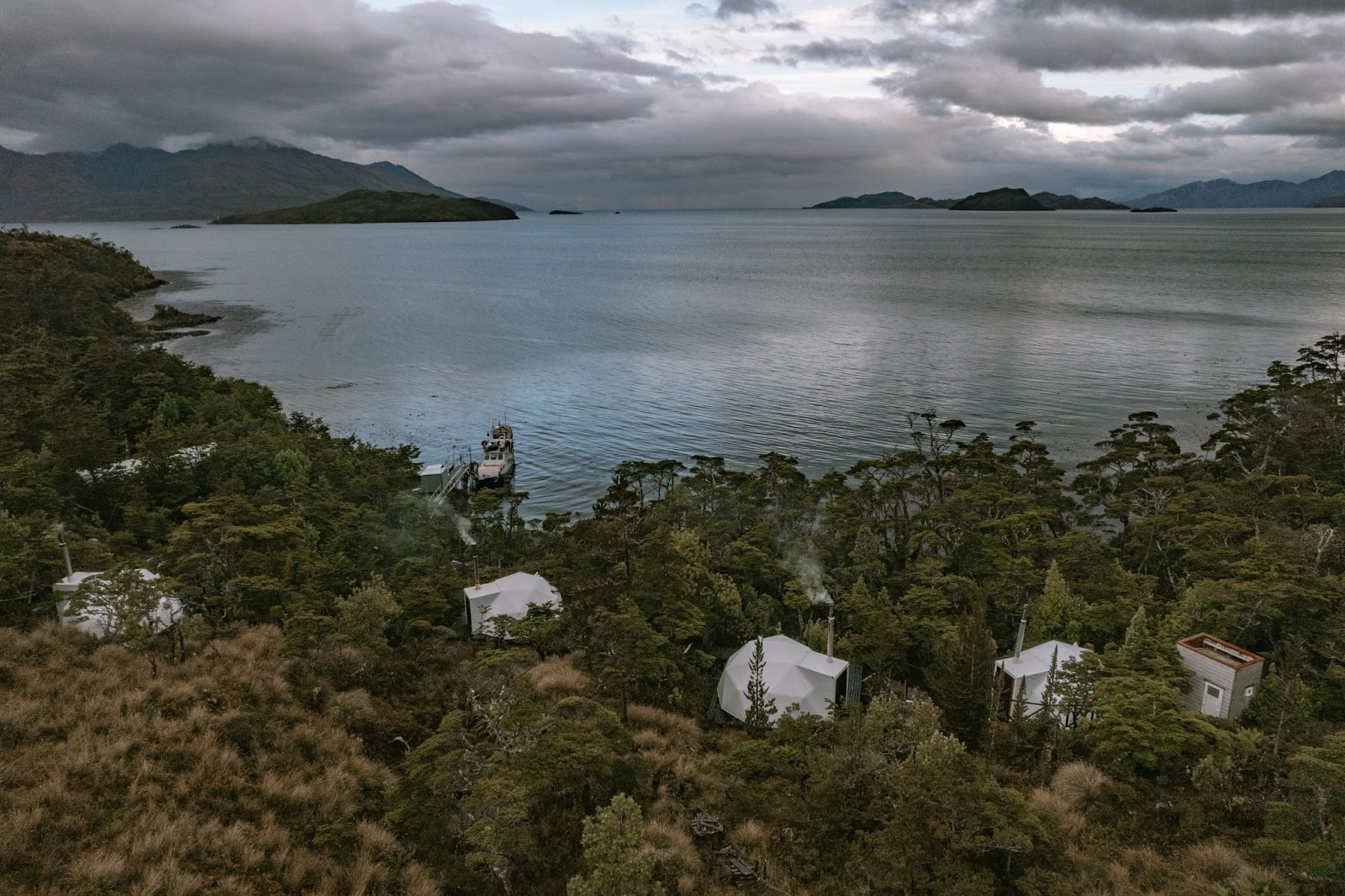
One typical cold summer morning in Punta Arenas, the southern tip of Chile’s Patagonia, we boarded a 50-foot-long vessel. We set sail through the Strait of Magellan, the natural passage between the Atlantic and Pacific Oceans, navigating fjords and channels bursting with wildlife accessible only by boat. Amidst ice fields and towering mountains, a territory so remote and untrodden, animals wander without fear. Over three days, we spent hours at sea and watched humpback whales feeding alongside penguins, albatrosses, sea lions and dolphins, without sight of another human. Each evening, we returned to the only camp in the protected marine park on Isla Carlos III. We anchored near the ice fields of Santa Ines Island in Kawesqar National Park. Our girls gathered seashells inside the boat, and despite the brutal cold and windy conditions, they awaited the moment they could rush to the deck at the first sight of a whale.
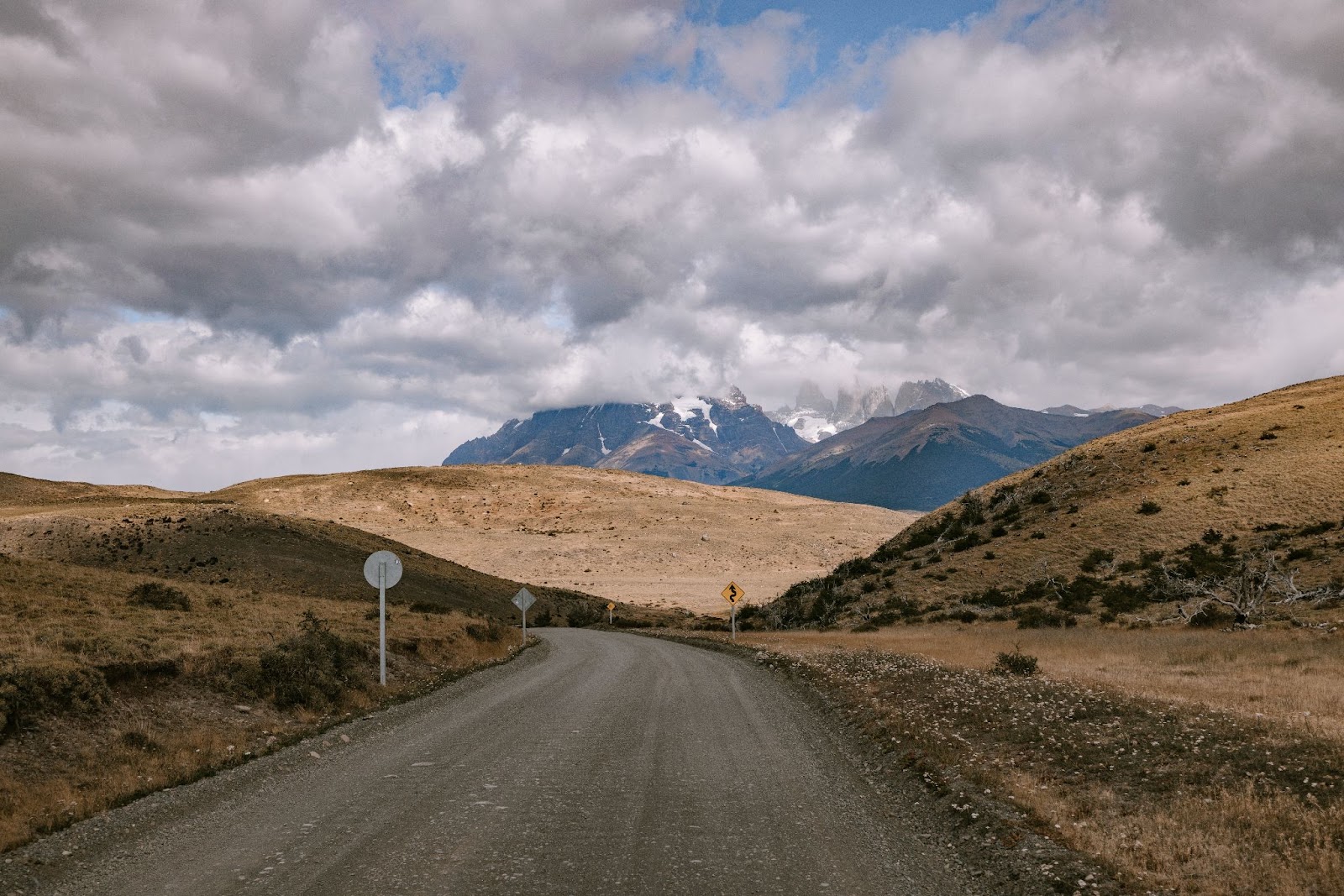
Upon returning to Punta Arenas, we rented a car with a local company (which we would eventually return to Bariloche) and self-drove northward, pausing in Puerto Natales before heading to Torres del Paine—Chile’s prized national park. Spectacular granite towers rise from the Patagonian steppe like the spires of some vast cathedral. To optimize our visit, we strategically alternated our stay among three distinct locations within the sprawling 242,000-hectare park. Keeping the kids’ routines—especially their meal and sleep times—during travel is crucial for providing them with a sense of safety and comfort, regardless of how many different beds they sleep in.
On a brilliantly blue morning, we drove through Torres del Paine, our eyes fixed on the iconic towers that give the park its name. Bella and Rafa delighted in spotting guanacos—wild relatives of llamas—prompting numerous stops for a closer look. We found ourselves at the heart of the national park, at the adventure lodge Explora Salto Chico, with its expansive, wood-clad spaces and enormous windows offering dramatic views of the Cuernos peaks. A skilled guide presented us with a park map and discussed various hiking options—many are here to do the renowned four-day W Trek, which would be too challenging with our kids. Instead, over the next few days, our family embarked on equally awe-inspiring half-day hikes across diverse landscapes, equipped with borrowed backpack child carriers from Explora, and a boat ride to Paine Grande.
EL CALAFATE, PERITO MORENO GLACIER, EL CHALTÉN, ARGENTINA
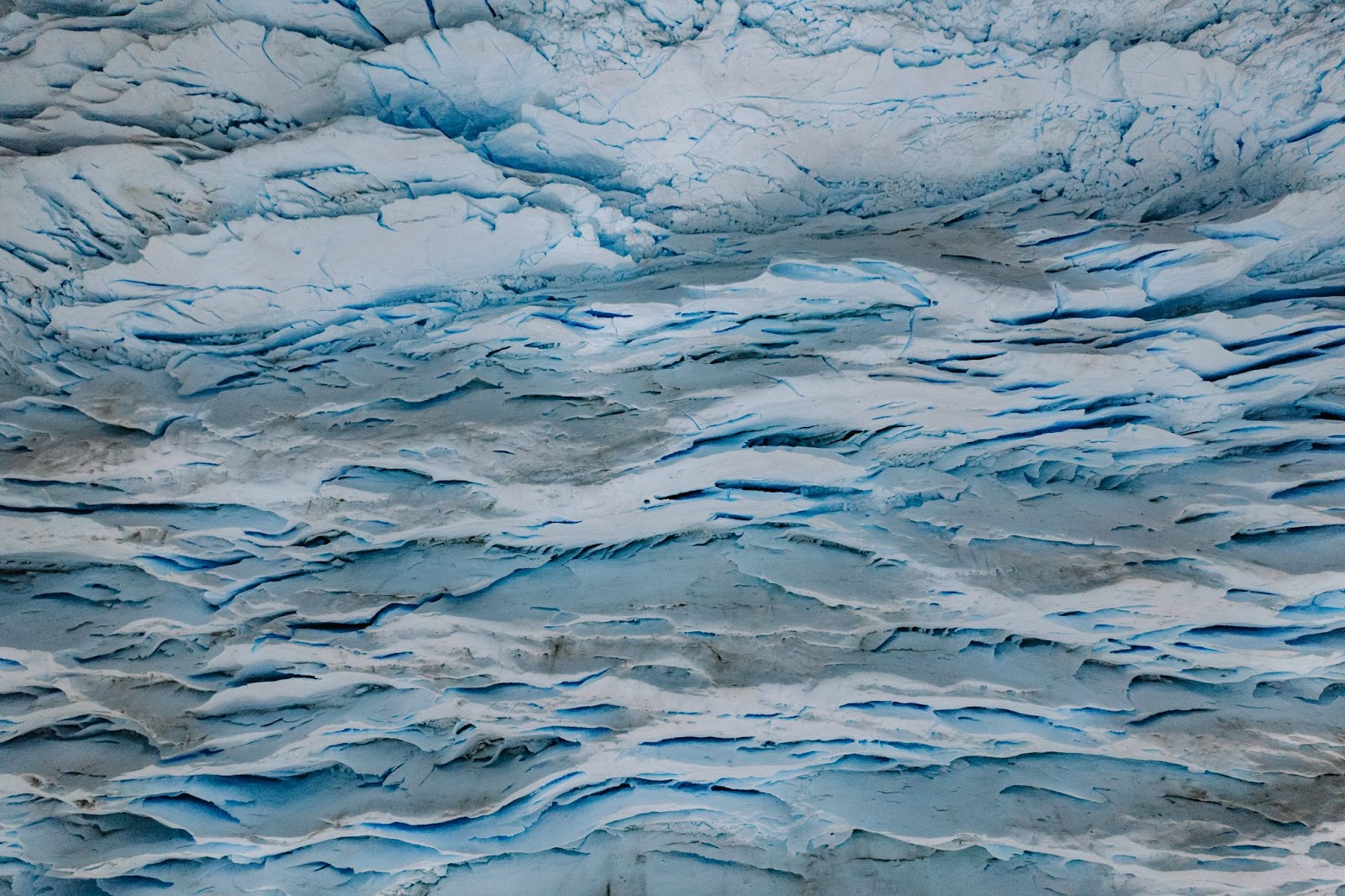
When road-tripping with toddlers, we consider two factors: planning their meals—because food and mood are closely linked—and understanding the optimal number of hours they can tolerate being in a car. As we left Explora, we packed healthy snacks and lunches for our drive to El Calafate, in southwest Santa Cruz Province, crossing the border into Argentina. The journey was relatively short, through mountains, vast plains, and turquoise lakes framed by the Andes. El Calafate lies on the southern edge of Lake Argentino, near Los Glaciares National Park, a UNESCO World Heritage site spanning 600,000 hectares. We strolled along the park’s walkway, drawn toward its crown jewel: the extraordinary Perito Moreno Glacier, a striking 200-foot-tall ice formation, almost otherworldly in its beauty.
A scenic route took us to the laid-back hiking village of El Chaltén, nestled in the shadow of two iconic peaks: Mount Fitz Roy and Cerro Torre, both revered in the mountaineering world. In this National Trekking Capital of Argentina, I rode horseback across open fields and mountains, surrounded by wild horses at the feet of Fitz Roy, while my husband babysat. The next day, we set off on the popular full-day hike to Mirador Fitz Roy—other hikers marveled at how brave we were for carrying the girls in our backpack carriers. The first part of the hike is a heavy, steep uphill climb over rocks and boulders, the second one a relatively easy flat through the forest. Adventures further afield, and in unexpected ways are often the most exciting for the kids, and despite the effort, it was a precious experience for us. We picnicked and played at the summit and, to our delight, the girls walked for most of the way back down.
PARQUE PATAGONIA, ARGENTINA
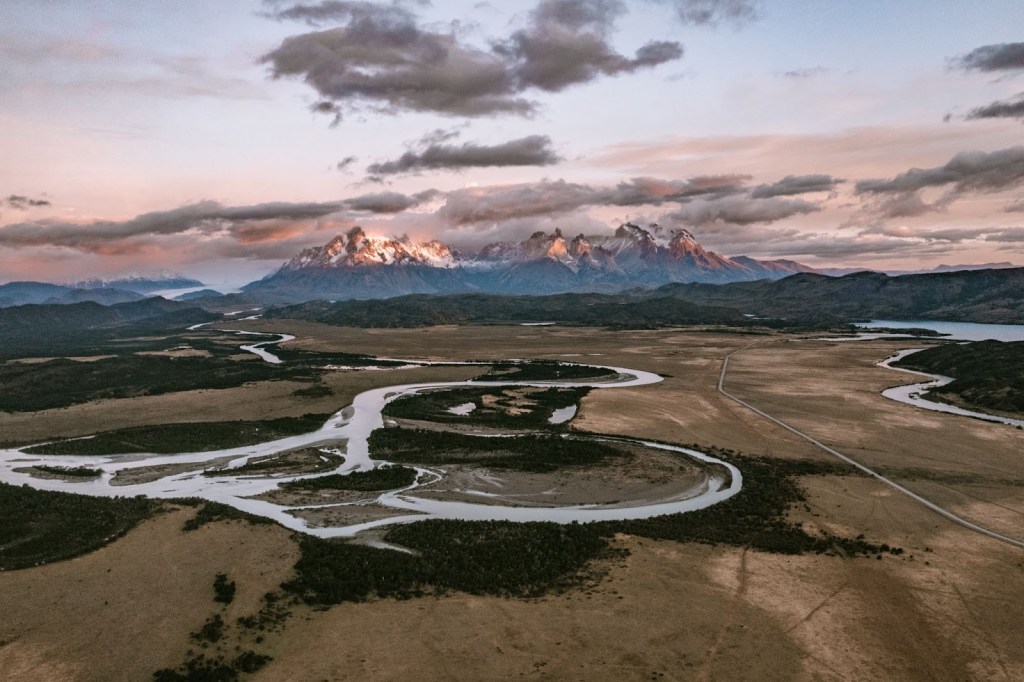
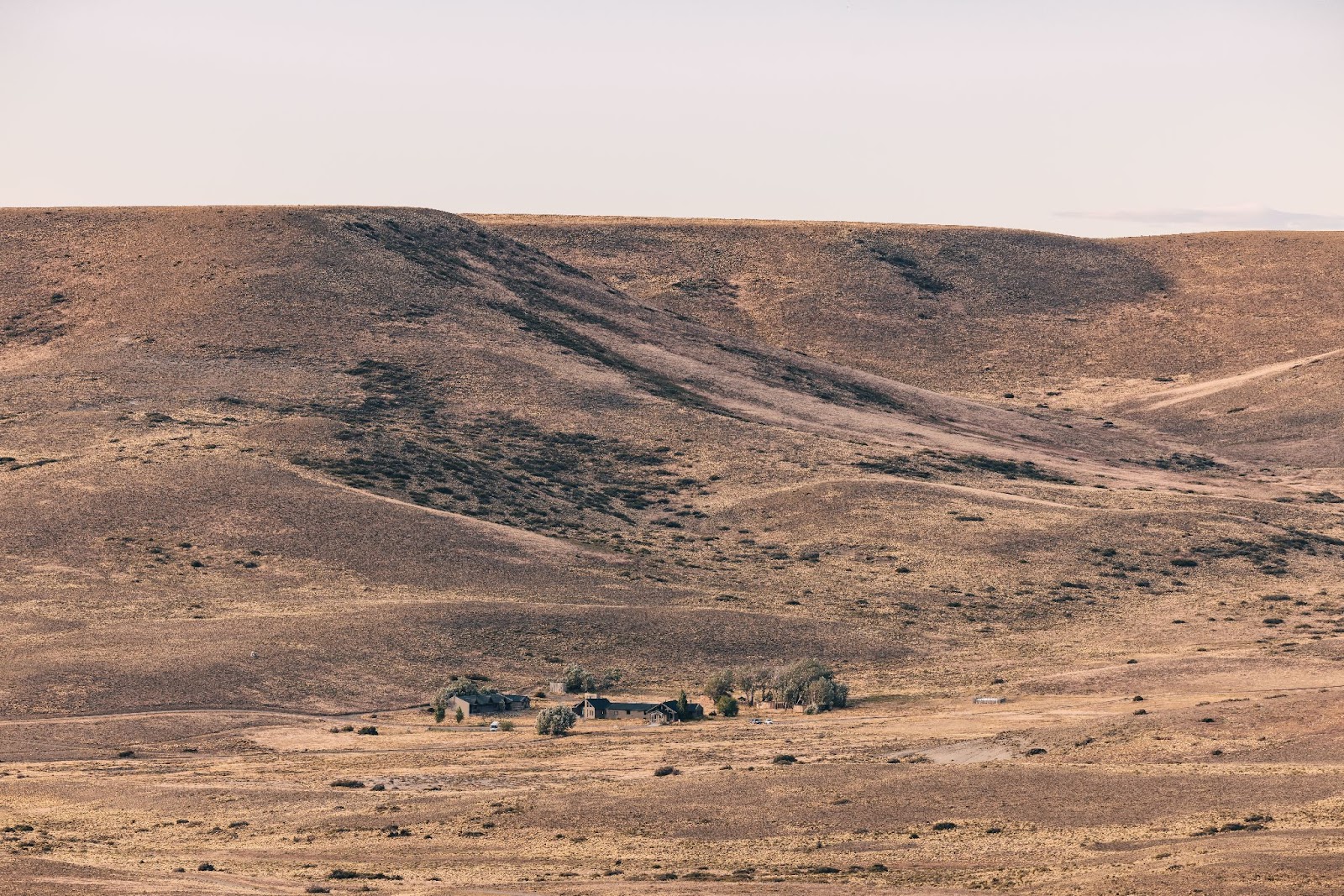
Patagonia isn’t part of the ordered world. It is a boundless land, unrivaled in grandeur and scale. It’s also the land of great drives, luring travelers from all corners of the globe—whether in camper vans, 4x4s, motorbikes, or bicycles—to experience the legendary Ruta 40, which runs along the backbone of Argentina’s Patagonia. Leaving El Chaltén, we drove for hours along Ruta 40 without encountering another vehicle, traversing vast open plains and the expansive Pampa. Sometimes guanacos and horses grazed free. Sometimes there was a gaucho, a wave of sheep eddying across the yellow grass. We spent the night at a very rustic estancia, the only accommodation along our route, and the next day, we headed north to Parque Patagonia, just off Ruta 40, through a skeletal landscape where the steppe is broken by unpredictable colossal canyons. This area has been sculpted by volcanic activity, with its rugged terrain often concealed within deep canyons carved by ancient glaciers – a surreal striking contrast.
“Established in 2012, Parque Patagonia is one of several conservation efforts aimed at preserving threatened habitats in Argentina,” Natalia, the manager of La Posta de los Toldos, a former ranch turned park lodge where we stayed, shared with us. Rewilding Argentina, an initiative started by the late US entrepreneur Doug Tompkins, founder of The North Face, and his wife, Kristine Tompkins, former CEO of the brand Patagonia, led the restoration of 180,000 hectares of overgrazed land into a national park. The foundation works to acquire and rehabilitate land, ultimately donating it to the government to recover ecosystems and promote eco-tourism, transitioning local economies from traditional ranching to sustainable practices. Only 17,000 tourists visit this park each year, a far cry from other Argentinian Patagonian destinations like Perito Moreno Glacier, which draws millions of travelers annually.
We visited—and played—in Parque Patagonia’s remarkable planetarium and hiked to the heart of the Park through the Cañadón Caracoles to explore the prehistoric art gallery La Cueva de las Manos Pintadas, a UNESCO World Heritage Site. Tucked beneath an overhang on cliffs above the Pinturas River Canyon, it features over 800 stenciled handprints and painted images of animals. Created with mineral pigments mixed with blood and fat by the Tehuelches, the original inhabitants of Patagonia. It dates from between 11,000 and 1,000 years ago, indicating ten thousand years of practically continuous occupation.
PATAGONIA NATIONAL PARK & VALLE CHACABUCO, CHILE
Back in our car, we headed south, navigating the rugged Ruta 41 and “Paso Roballo” through a savage uninhabited country. The gravel road broke free to vistas of scarred ethereal mountains rearing above water meadows. For hours, we encountered no one. Upon crossing into Chile, we entered Patagonia National Park, in Valle Chacabuco, across some of the most beautiful landscapes of the trip. Here, the untamed wilderness of Patagonia feels untouched by human hands. We broke the long drive allowing the girls to run freely across the expansive fields. It’s a special region, the dry Patagonian steppe converging with the wet Southern beech forests of the west, where a rare transition zone across 80,937 hectares boasts diverse wildlife. The landscape, sculpted by relentless sun and fierce winds, coexists harmoniously with glaciers, lush forests, and snow-capped peaks.
Historically, Valle Chacabuco, now part of “Parque Nacional Patagonia,” suffered from decades of intensive sheep and cattle ranching. In 2004, Tompkins Conservation made a pivotal move by purchasing the land, acquiring Chile’s third-largest ranch, Estancia Valle Chacabuco, as the cornerstone of the future national park, which was gifted to the Chilean government in 2017. Their innovative approach involved allowing the land to rewild: dismantling fences, removing cattle and sheep, and letting nature heal itself. This strategy has proven successful. As the grasslands have rejuvenated, wildlife has returned, including guanacos, Andean condors, pumas, and the critically endangered huemul deer. The Tompkins Foundation—now known collectively as Rewilding Argentina and Rewilding Chile—has acquired over 2 million acres of wilderness in Chile and Argentina for preservation, with Patagonia National Park serving as the crowning achievement.
CARRETERA AUSTRAL TO AYSÉN & CERRO CASTILLO, CHILE
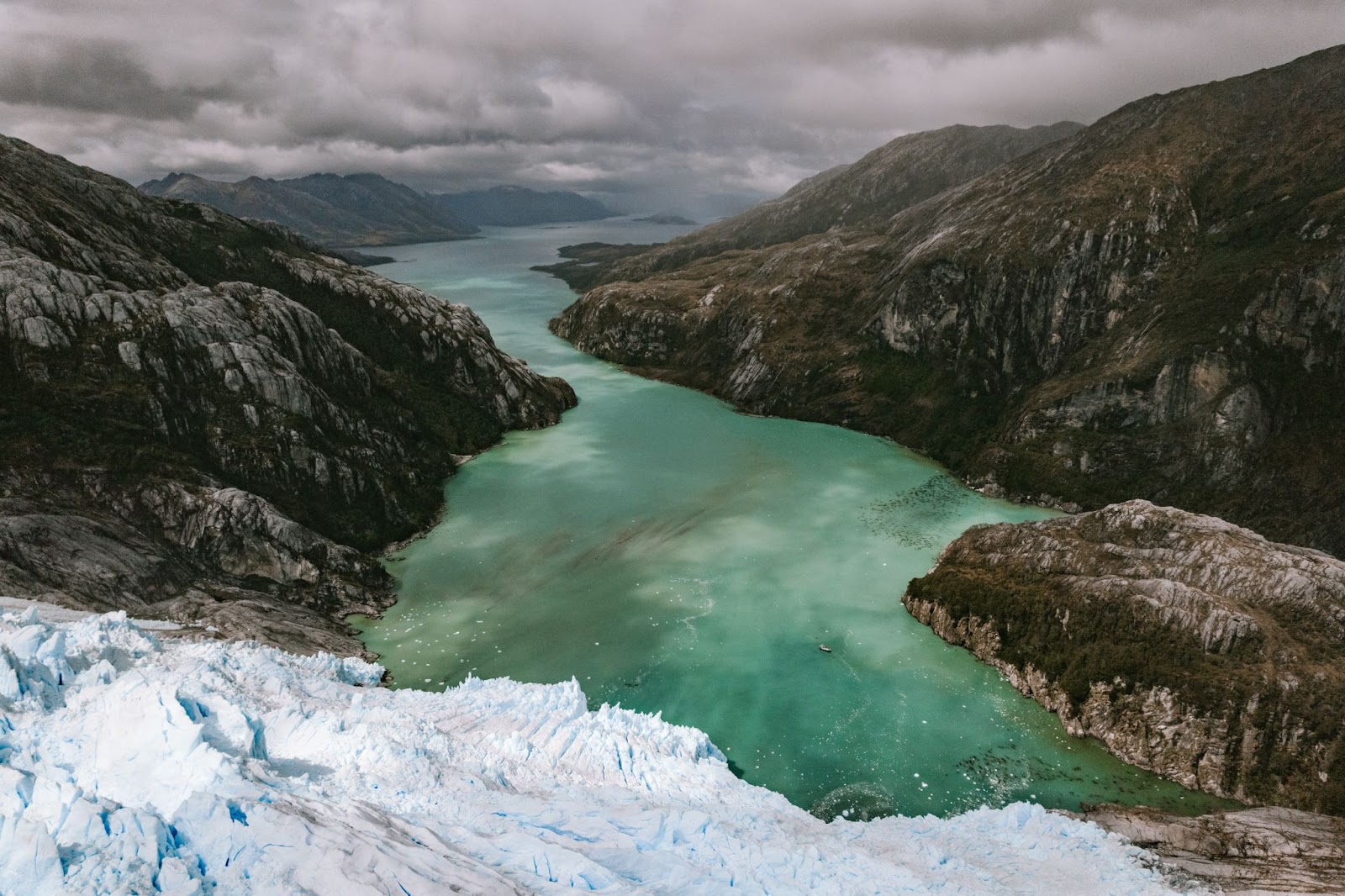
We now navigated the iconic Carretera Austral, or Ruta 7, perhaps the most anticipated moment of our journey—and arguably the world’s greatest road trip. Stretching between the towns of Puerto Montt and Villa O’Higgins, where it ends at the Argentine border, this scenic road connects 11 of Patagonia’s remarkable nature reserves. It is flanked by the snow-capped Andes, weaving between mountains and the ocean. I grew obsessed with the views: alpine lakes, volcanoes, blue-green fjords, temperate rainforests, subtropical jungles, arid steppe land, dense rainforest. This spectacular landscape strings together remote settlements that had almost no connection until the road’s arrival, around 30 years ago. Initiated during General Pinochet’s regime in 1976, its construction was fueled by territorial tensions with Argentina and aimed to establish a military presence in Patagonia. While parts of the road are paved, nearly half remains unpaved and presents a challenging terrain of dusty gravel. But that’s part of the allure. We didn’t drive along the carretera for a smooth ride, we drove it because almost no one does. Much like climbing mountains to reach a summit, the finest adventures are often the ones that require perseverance and effort.
The Ruta 7 took us through Aysén, Chile’s least populated and lesser-known region of Patagonia, nestled between the Lake District to the north and Torres del Paine National Park to the south. “Before the road was built, much of this area was accessible only on foot, horseback, or by boat,” said Nelson, the skipper of our boat on Bertrand Lake. Nelson’s grandfather was among Aysén’s first settlers, predating any roads. “The Carretera changed everything, but this part of Patagonia still feels isolated,” he added. Indeed, we were deep in Chilean Patagonia, untouched and remote. Access to the region was always easier across the Andes from Argentina rather than down the length of Chile from Santiago, which partly explains its splendid isolation.
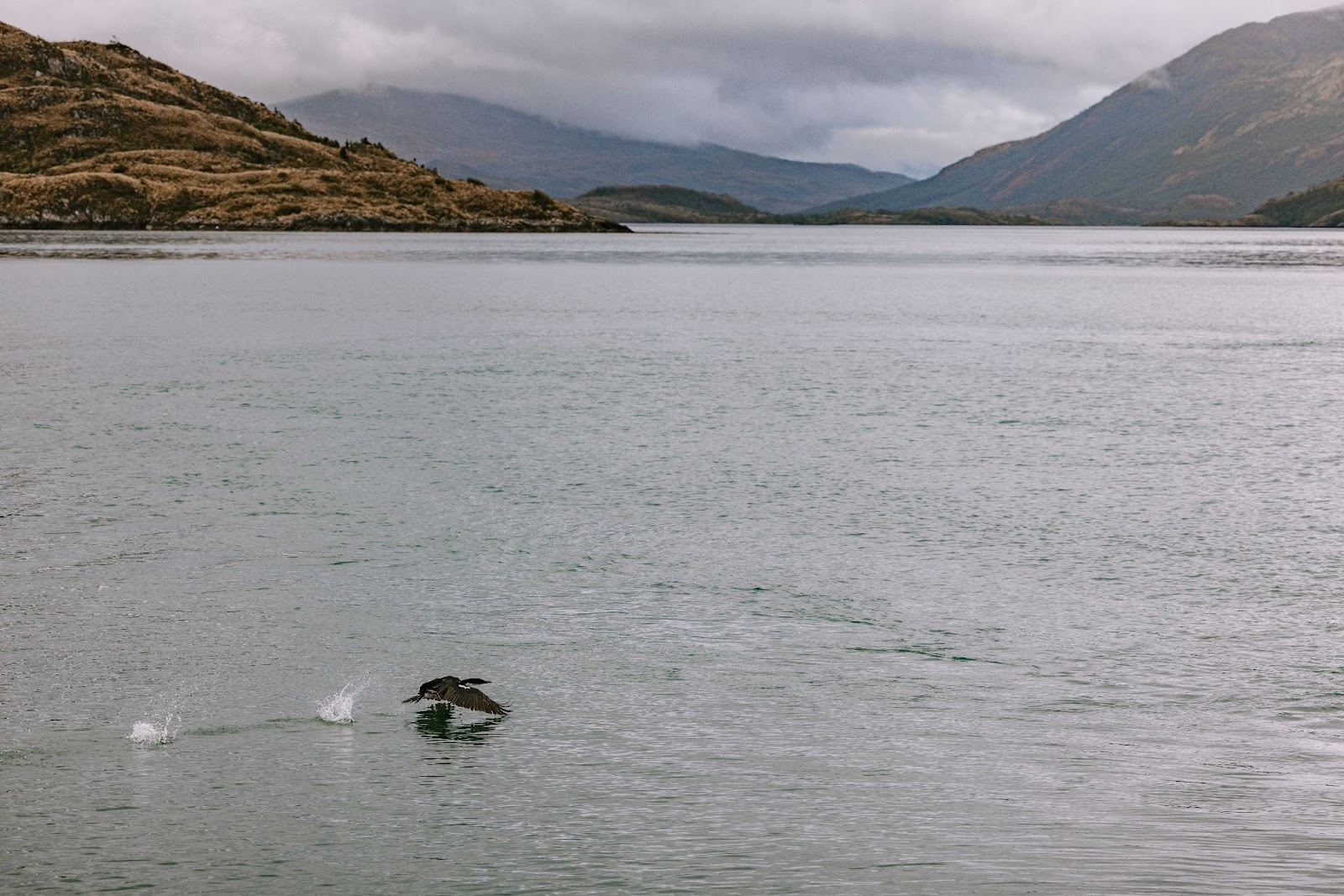
With over 700 square miles, no visitor to Aysén can overlook Lake General Carrera (known as Lake Buenos on the Argentinian side). We spent two nights in a cabin at Mallín Colorado Ecolodge, perched on a hillside above its pristine azure waters, soaking in views that will stick with us forever. Our journey north continued through Aysén’s glacial lakes and glaciers, the mountains accompanying us along the Carretera’s length. After a couple of hours on the road, we paused at Mirador Ibañez, the girls inside the car playing with stones and tree leaves. Outside, the brutal Patagonian wind howled. Amidst a tumult of clouds, we caught our first glimpse of the “Castillo,” the eponymous castle that lends its name to the National Park we were heading toward—an iconic image along the Carretera Austral.
In search of stillness, we cozied up in a cabin surrounded by raw nature, just outside Cerro Castillo, a modest village reminiscent of those we’ve passed over the last few days. One of the most alluring aspects of traveling along the Carretera is the small communities we encounter, where residents maintain a traditional rural lifestyle, tending to small farms and living in hand-built shacks by the roadside. From our cabin, we faced the jagged rocky peak, the Castillo appearing to float above the snowfields below. Making our way to nearby Puerto Ingeniero Ibanez as we drove through Las Ardillas, we came across dramatic views. Most travelers we met were hikers or climbers drawn to Patagonia’s mountains, yet this area remains largely unknown, attracting around 300,000 visitors annually.
QUEULAT NATIONAL PARK TO FUTALEUFÚ, CHILE
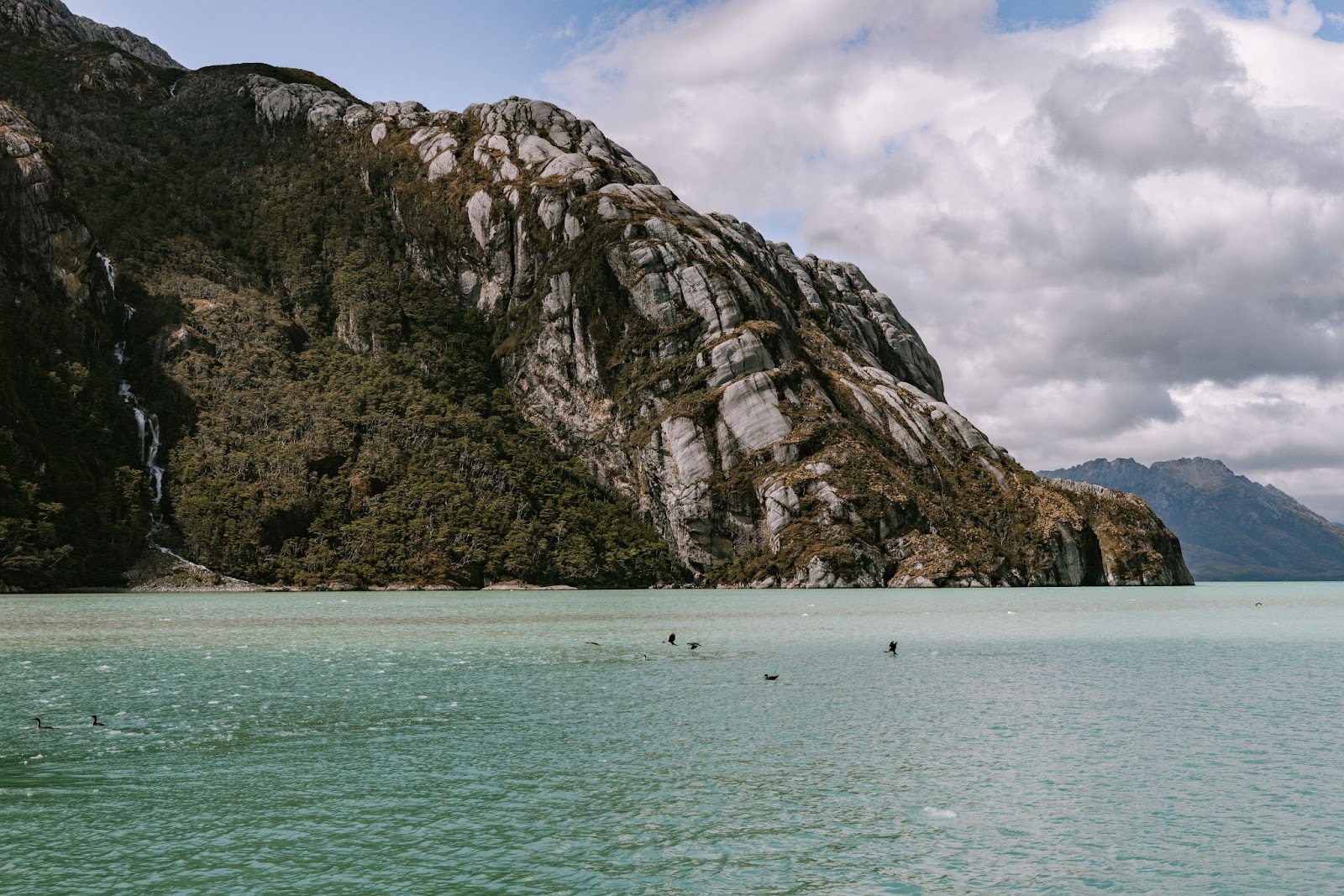
To enjoy traveling here, we didn’t need to do much. We felt a profound sense of freedom as we journeyed northward, passing Coyhaique, the capital of Aysén, and entering the temperate rainforest of Queulat National Park. Along the way, multiple waterfalls cascaded down pristine mountains. The town of Puyuhuapi, with its population of around 500, sits at the head of a fjord near a magnificent hanging glacier of Queulat—an expanse of blue-green ice resting between two mountain peaks close to where we spend the night.
The following day, we ventured deeper into the wilds of Chile’s last frontier. Rivers reign supreme in this landscape; a dynamic network of turbulent waterways surges forth from the Andes, carving through canyons and cascading into dark, tranquil lakes. Our path led us to Futaleufú, remarkably off-radar, even for Chileans. The town is challenging to reach—requiring a 2.5-hour flight to Puerto Montt followed by a 12-hour drive or a flight to Esquel from Buenos Aires followed by a 2-hour drive. It is named after its river, one of the world’s premier whitewater rafting venues. With help from a nanny, Max and I geared up, making our way to the riverbank armed with paddles and life jackets, ready to face some of the planet’s most exhilarating rapids. The anticipation was electrifying.
South of the small town of Futaleufú lies Pata Lodge, a rustic resort featuring six stylish cabins nestled within an amphitheater of mountains, enveloped by lush forests. I reveled in every aspect of this haven: the tranquility, the river, the trees and the delicious home-cooked, farm-to-table meals. As sunlight poured down, we floated on the river with the girls, their laughter echoing as they dipped their tiny toes into the icy water. It’s a magical place. Marcelo Schaffer, one of Pata’s Brazilian co-founders, shared his insights on forest conservation and sustainable living. Marcelo relocated here with his family from São Paulo in pursuit of a more environmentally conscious future, and his passion resonated deeply with us. Pata is not just a superb lodge in paradise; it is the realization of a dream dedicated to preserving nature. Outside, our children ran freely in Pata’s expansive garden, handpicking fresh vegetables and fruits. I reflected on how travel transcends memories of landscapes. I couldn’t imagine a better place to be with my kids—one where they can have a bigger taste of a world that’s beautiful and also still filled with kindness and wonder.


Leave a Reply
You must be logged in to post a comment.