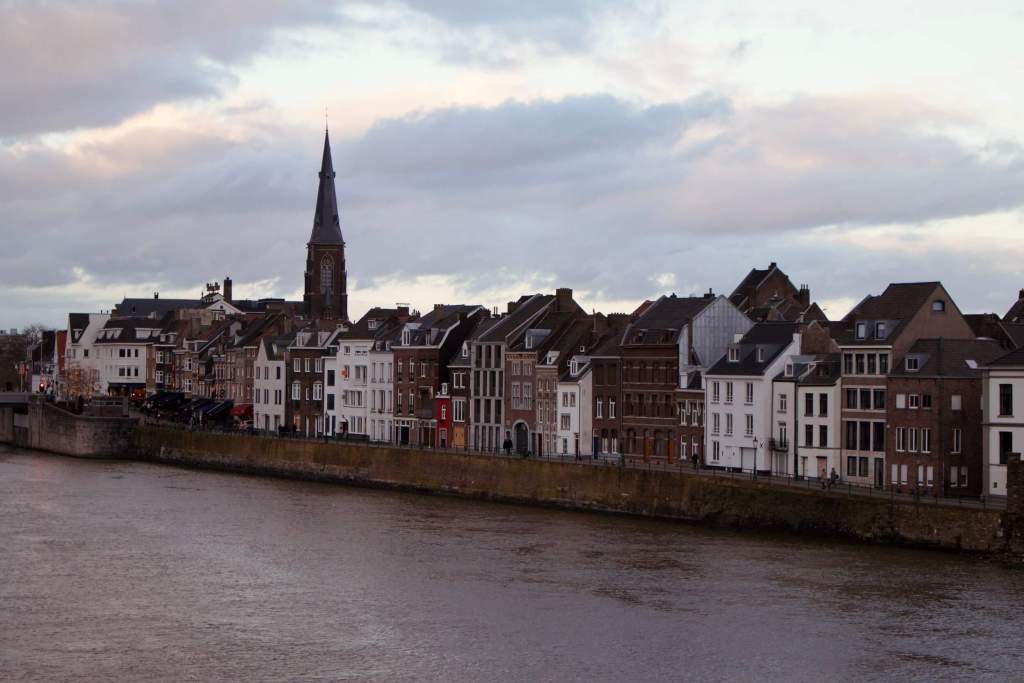
My husband and I temporarily relocated to The Netherlands from New Orleans at the end of 2024 for his work. Though the country is home to several expat magnets—The Hague, Rotterdam, and Amsterdam, of course—we are based in Zeeland, the least populous province and the westernmost corner of The Netherlands. When we meet Dutch folks around the country and tell them where we are living, the most common reply is, Why?
To be honest, this refrain delights me because I get the sense we are living among well-kept secrets, including idyllic small towns, vast verdant fields and coastal landscapes. It offers further confirmation that the Netherlands has more to offer beyond Amsterdam and tulips (both of which I also love!)
Eager to go beyond the obvious, we decided to spend a winter weekend in the historic Dutch city of Maastricht. It’s the capital of the Netherlands’ Limburg region and located a little more than two hours from Amsterdam by train or car. Small enough to be explored on foot, the city impresses with its medieval architecture, rich Roman history, cobblestone streets and café-lined squares.
Maastricht is also deeply rooted in the arts, and thanks to a respected university and conservatory, it remains a dynamic cultural destination. But perhaps the largest influence on the city is its prime positioning: cradled between Germany and Belgium, Maastricht’s proximity to other major cultural centers in Europe has allowed for the exchange of art and antique pieces for centuries. This makes Maastricht the perfect setting for TEFAF (The European Fine Art Fair), where global art collectors and dealers converge each spring to admire rare masterpieces. (The next one kicks off on March 15.) For the occasion, local entrepreneurs and artists are transforming shop windows into works of art! Check a map of the participating shops here.
WHERE TO STAY
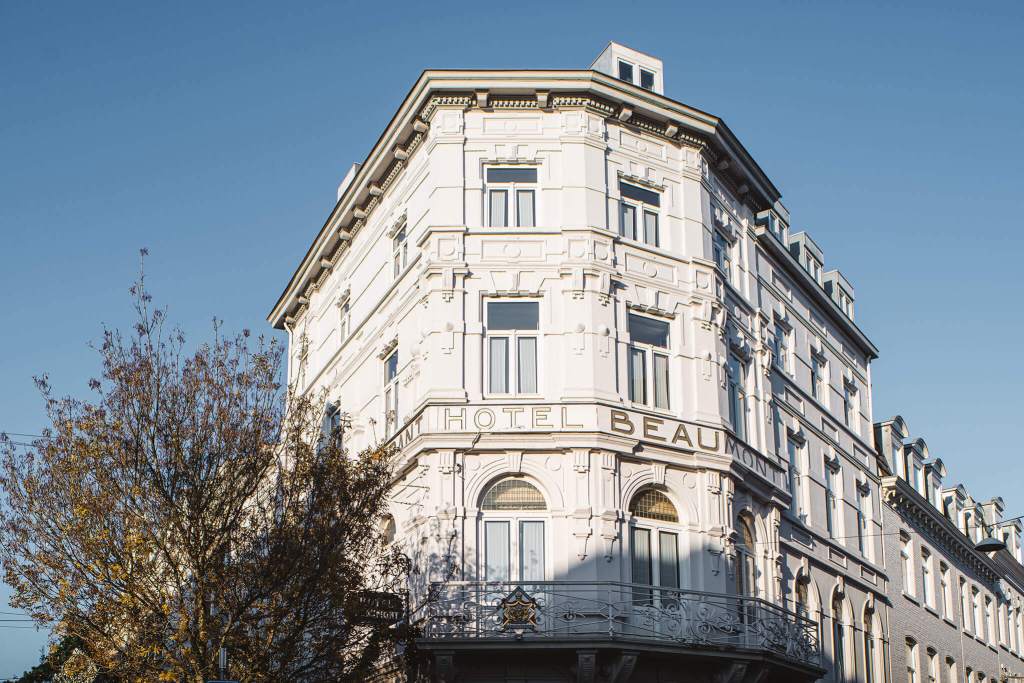
In the Wyck District
The Beaumont – This modern and sleek boutique luxury hotel in the Wyck District looked very inviting, as did its ground floor speakeasy, the Founders Bar, with live jazz on Wednesday nights.
Townhouse Hotel – A short walk to the river and the train station, this is a no fuss, affordable option. The staff was very friendly and though the hallways leading to the room felt a bit dated, the room was clean and comfortable.
For something closer to the city center
Hotel Monastère – If I wanted to stay closer to the center on my next visit, I’d try this stylish cozy boutique.
Kruisherenhotel Maastricht – If you’re looking for something unique and luxe, try this restored 15th-century monastery. The stunning gothic architecture mixed with modern design offers a striking contrast between old and new.
WHERE TO EAT
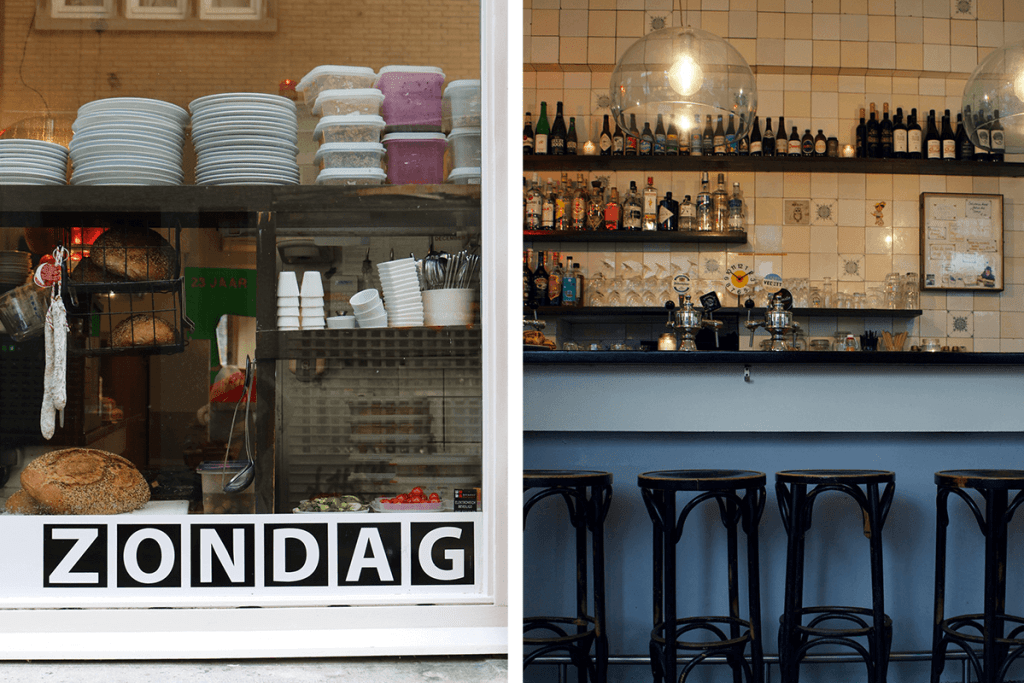
For breakfast, try Cafe Zondag. I had a nice coffee and a sourdough toastie. The cafe is also open for lunch, as well as for drinks and tapas in the evening.
For lunch, stroll over to the Sphinx Quarter (home of the former Sphinx Factory) to the Lumière Grand Café (and cinema! More on that below). I loved the thoughtfully designed riverside setting.
For dinner, don’t miss Bistrot-Bar ‘t Wycker Cabinet. We walked into this busy spot without a reservation right when a cozy window table opened up. Good fortune notwithstanding, this meal was a highlight of our getaway. I loved the dimly lit cozy bistro vibes and the delicious though not overwhelmingly extensive menu options. We opted for a French onion soup (it was cold and rainy) and tried the pasta special of boar ragu. The restaurant is also open for breakfast and lunch.
Next visit, I’d like to try Bar Beurre for a contemporary take on French cuisine, and for what seems to be a fresh, fun ambiance.
WHAT TO SEE AND DO
Maastricht is divided into 7 districts including Binnenstad (the historic city center), Jeker Quarter, Céramique, Sphinx Quarter and Wyck. (The Visit Maastricht website has a helpful colored map for all of the districts!)
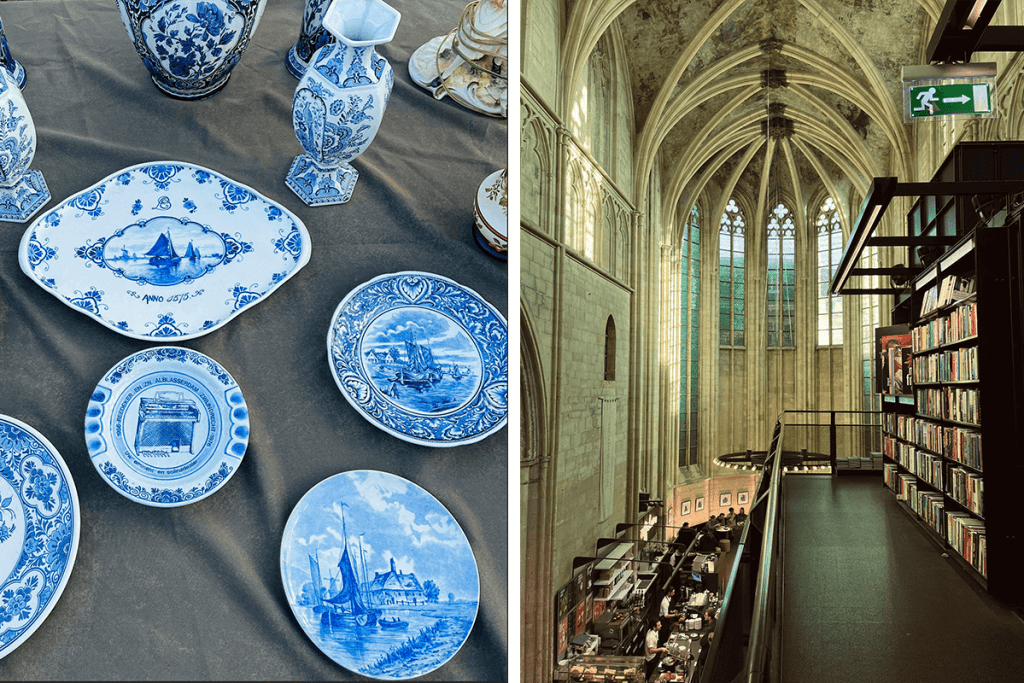
Market Square – Home to City Hall and a nice entry point to the city. Every Saturday and Sunday the square hosts an antiques and flea market.
Book Store Dominicanen – Just around the corner from Market Square, you’ll find this 13th-century cathedral-turned-bookstore. It’s been 200 years since the gothic structure has served as a house of worship, but it’s only been home to indie books since 2006. Maastricht’s own roaster, Blanche Dael Coffeelovers, serves hot drinks and lunch that you can enjoy in the former altar area.
Shop
Whether you are in the mood to buy or browse, the city is bursting with boutiques, galleries, antiques and art. Most of our trip was spent strolling the streets and taking in the holiday lights, but here are a few shops on my list for my next visit:
For antiques, Vincent van Eyck Art & Antiques, as well as Snackers Antiques and Fine Art.
The gallery and frame shop Maasland features a range from 16th-century prints to 19th-century paintings to contemporary art.
I’m curious about Stilla Nova’s art deco lighting and treasures and House of Tudor for antique furniture and porcelain dinnerware. For vintage clothing from the late 1940s to ‘80s, there’s Giensch.
Culture
Bonnefanten Museum – A fine art museum showcasing a diverse collection of contemporary art including painting, sculpture, photography, and multimedia installations. The museum also boasts renowned historical works such as its extensive collection of medieval religious art. Designed by Italian architect Aldo Rossi, the building itself is a work of art.
Vrijthof Square – A lively and historic plaza, home to landmarks like the St. Servatius Church and known for its vibrant cafes, festivals, and cultural events throughout the year.
Bisschopsmolen (Bishop’s mill) + Bakery – The oldest working water mill in the country! After you watch the water wheel turn, pop next door for a piece of vlaai (sweet tart), a regional specialty.
Helpoort (Hell’s gate) – 13th-century gate from the original city wall. The oldest city gate in the Netherlands.
The St. Servaasbrug Bridge – Take the oldest bridge in the Netherlands across to the Wyck District. In addition to boutiques and shops, you’ll find cafes and restaurants, two of which I recommend above!
Sphinx Passage – The Sphinx district was once home to Maastricht’s major ceramics industry, from the mid-1830s through the early 2000s. Recently, the area has undergone major reinvention. This 120-meter stretch of passageway between the Eiffel building and the Pathé Cinema pays tribute to the industry’s history and impact. From delicate porcelain China to toilet bowls, they produced it all! The exhibition tells the city’s ceramics story via nearly 30,000 tiles, which is pretty impressive.
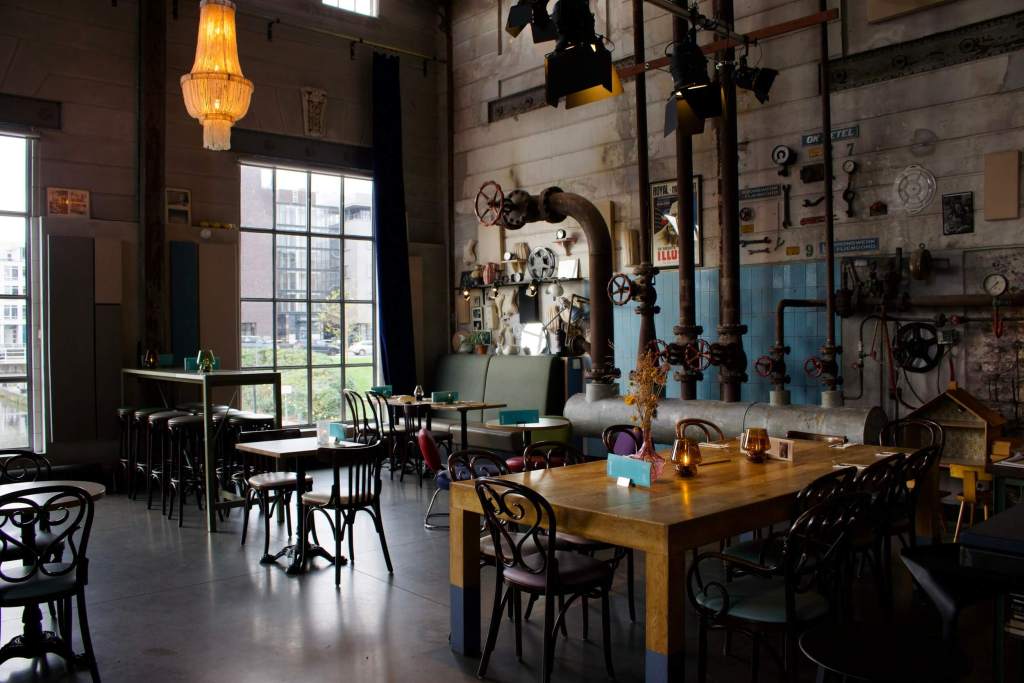
Lumière Cinema & Grand Cafe – I spoke with Marij, a friendly volunteer who told me the cinema is housed in the former energy plant of the Sphinx factory. She also told me two female architects brilliantly reimagined the space that now includes the aforementioned restaurant overlooking the water and six film screens. Not to mention the cinema-inspired décor, which was spot on without being kitschy.
Leave a Reply
You must be logged in to post a comment.