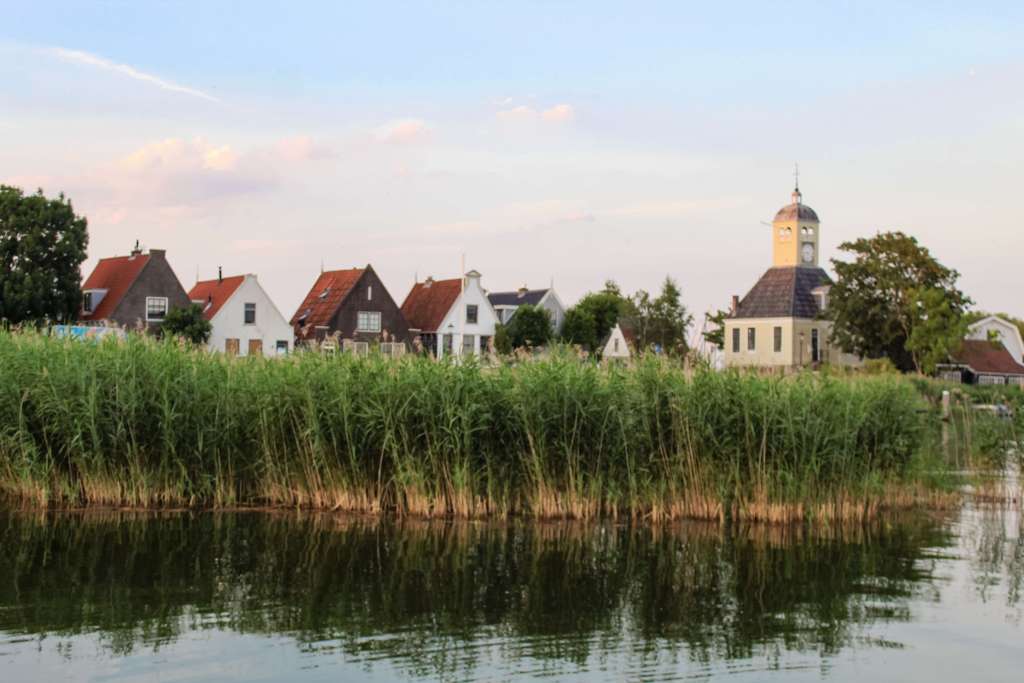
In short… A heritage-listed fisherman’s inn reborn as a lakeside bolthole, De Durgerdam is where Amsterdam slips into something more comfortable.
The surroundings… It’s hard to believe Durgerdam is only a 15-minute drive from central Amsterdam, as you’ll feel a world away from the city’s bustle. Hugged by the IJmeer lake, this one-street, 600-year-old hamlet of whitewashed clapboard houses, air-drying laundry and grazing cows was once a haven for weary sailors—now, city folk come for a slower pace and a bit of salt in the air. The lake, once the Zuiderzee, glitters outside your window and frames life here—still, marshy and luminous. There’s also a vintage boat at your disposal (De Eeuw, from 1905) if you fancy arriving like the sailors of years gone by did. The hotel’s white-painted clapboard exterior acted as a moon-lit beacon for boats that would glide right up to its deck from the North Sea.
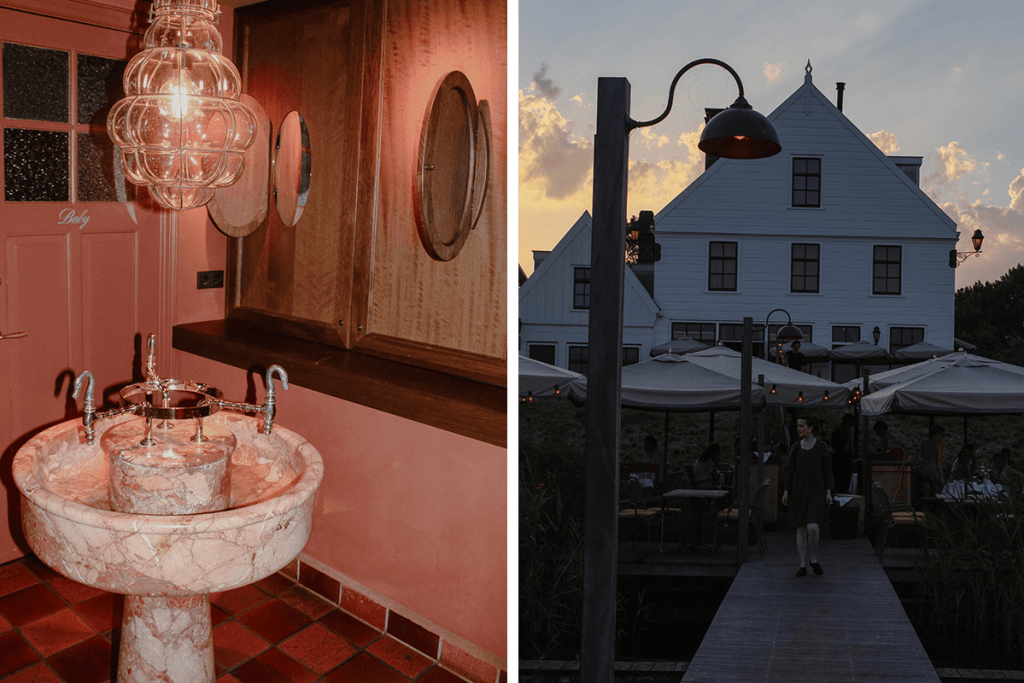
The vibe… It’s all about gezelligheid—that untranslatable Dutch word that suggests something between cosiness, conviviality and togetherness. The hotel was designed by Amsterdam-based material research studio Buro Belén, and you can feel their hand in every brushstroke and beam. Think custom tulipwood, velvet throws (arranged on the beds to resemble rippling water), ceramics from Royal Tichelaar Makkum, and coastal-inspired silhouettes. The drawing room is intimate and library-like, the restaurant breezy and open in summer. Every corner feels thoughtfully imperfect, like you stumbled into someone’s design-forward waterfront home.
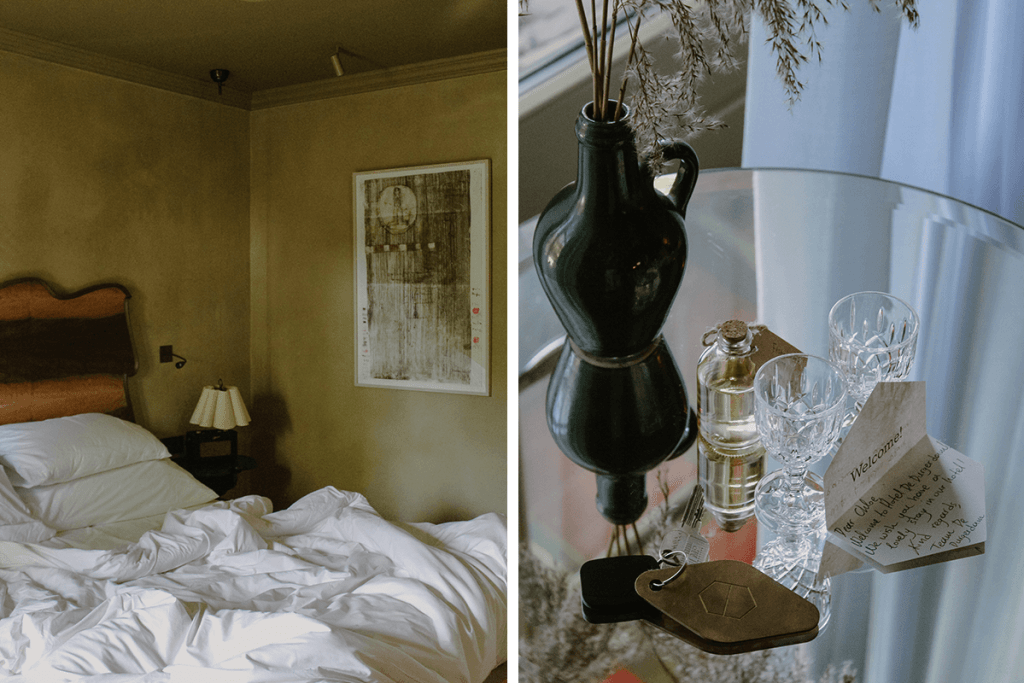
The rooms… With only 14 rooms (including three suites), De Durgerdam still feels more tavern-with-rooms than hotel. Each space is dressed in handcrafted details that nod to the village’s fishing roots — local tiling, sailcloth-toned hues, wooden benches, and decorative touches like horns and shells, and undulating, wave-shaped headboards recalling maritime traditions. The rooms are named after their orientation—De Zee (the sea), De Maan (the moon), De Kerk (the church)—and arranged to optimize natural light. Expect Hypnos beds, yoga mats, a homemade fisherman’s tonic to drink before bedtime, and custom raincoats by Dutch fashion house, KASSL Editions, in the suites. Some rooms look out over meadows, others the lake, and a few open right onto the garden. The green and red knotted ropes to hang on your door to signal “come in” or “do not disturb” are another thoughtful, nautical-themed touch.
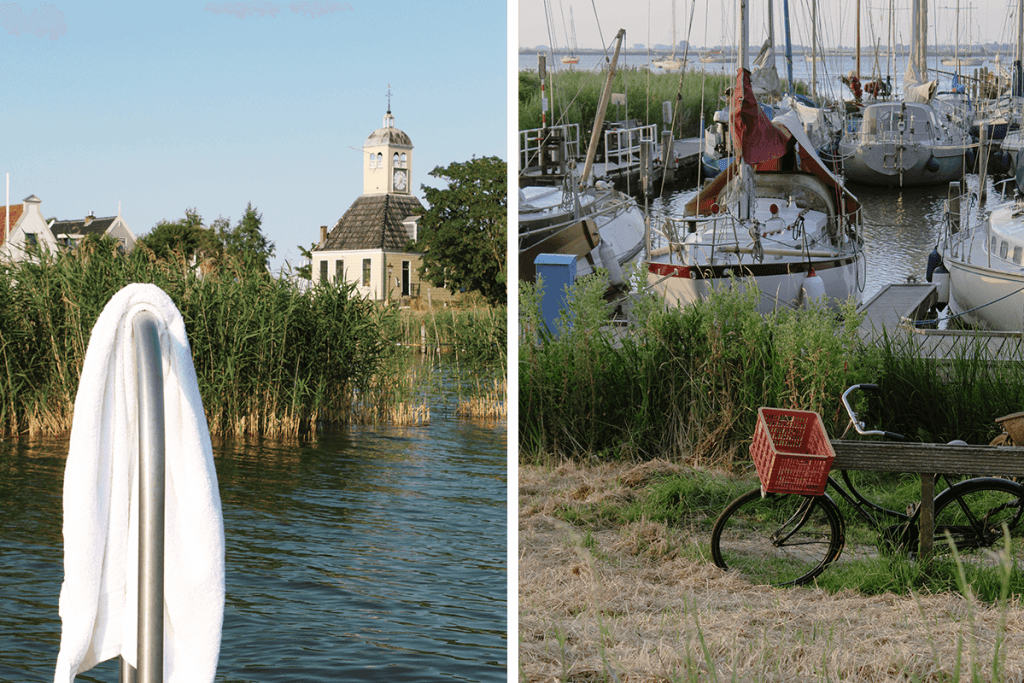
The wellness… This isn’t a robe-and-retreat kind of wellness (though there are fluffy gowns in your room to unwind in after a swim). It’s more subtle—the kind that sneaks up on you in the quiet of a morning stroll by the lake, or a glass of natural wine by the wood-burning stove. That said, you’ll find a yoga mat and dumbbells in every room, and the entire environment invites restoration. There are plans to add a floating sauna, and sustainability is baked in too—from heat pumps and solar panels to re-used rainwater systems—so you can feel good about your time here in more ways than one.
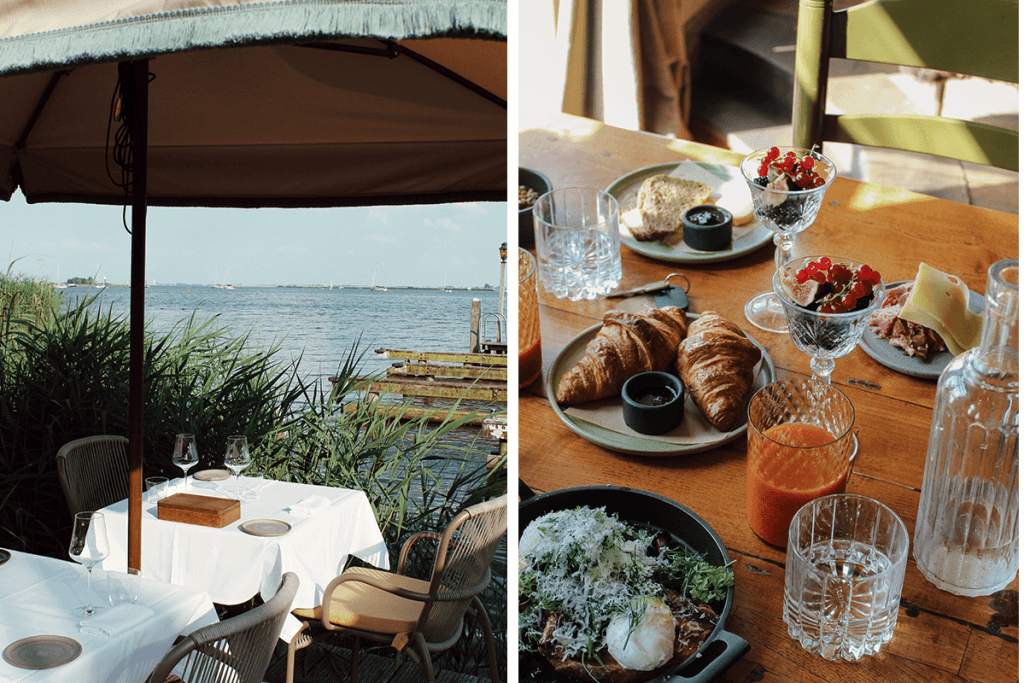
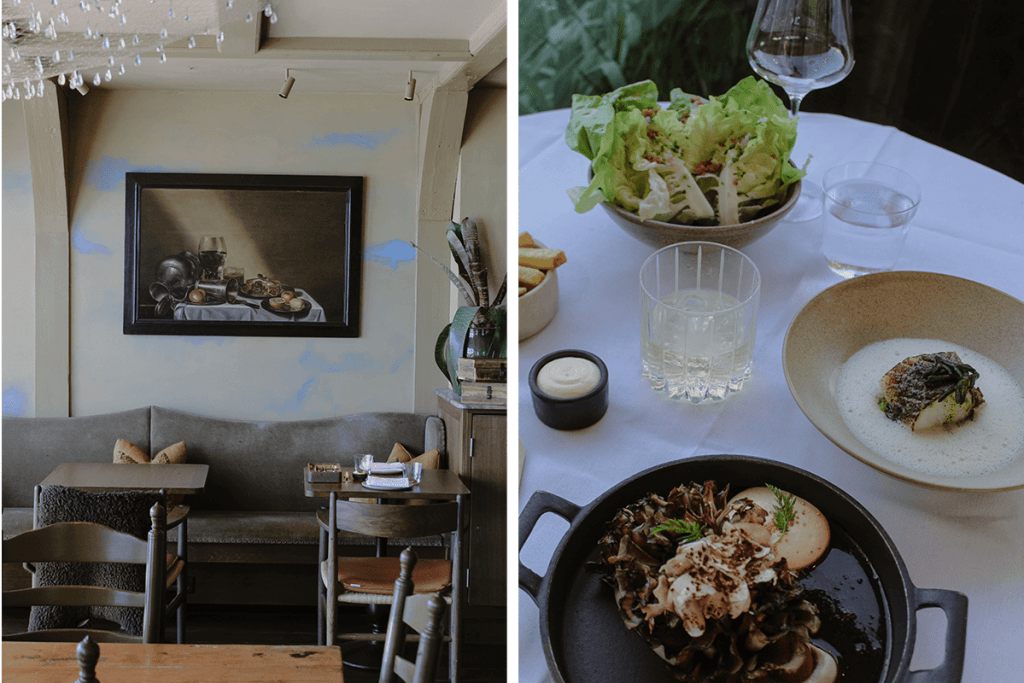
The food & drink… Restaurant De Mark is a destination in itself. A collaboration with culinary stars Richard van Oostenbrugge and Thomas Groot (of Amsterdam’s two-Michelin-starred Restaurant 212 and one-Michelin-starred restaurant De Juwelier), the menu leans into the local larder—fresh cheese from a nearby farm, honey from just up the road, and seasonal everything. The interiors reflect the same sense of soul: CH37 dining chairs, Dutch tiles by the oldest ceramic factory in the country, and a dazzling pendant light by Ingo Maurer with tear-drop shaped glass strung in a net and suspended from the ceiling. In summer, doors open to a waterside terrace; in winter, the wood stove glows. Whether you’re in for a wine-paired tasting or a slow lunch with lake views, it all feels deeply Dutch.
Extra tip goes to… Viking in stature, friendly in nature, Amsterdam-hailing Stein shared some brilliant local recommendations and patiently helped us get to grips with the Dutch bicycle lock (pleasingly simple, once you know what you’re doing).
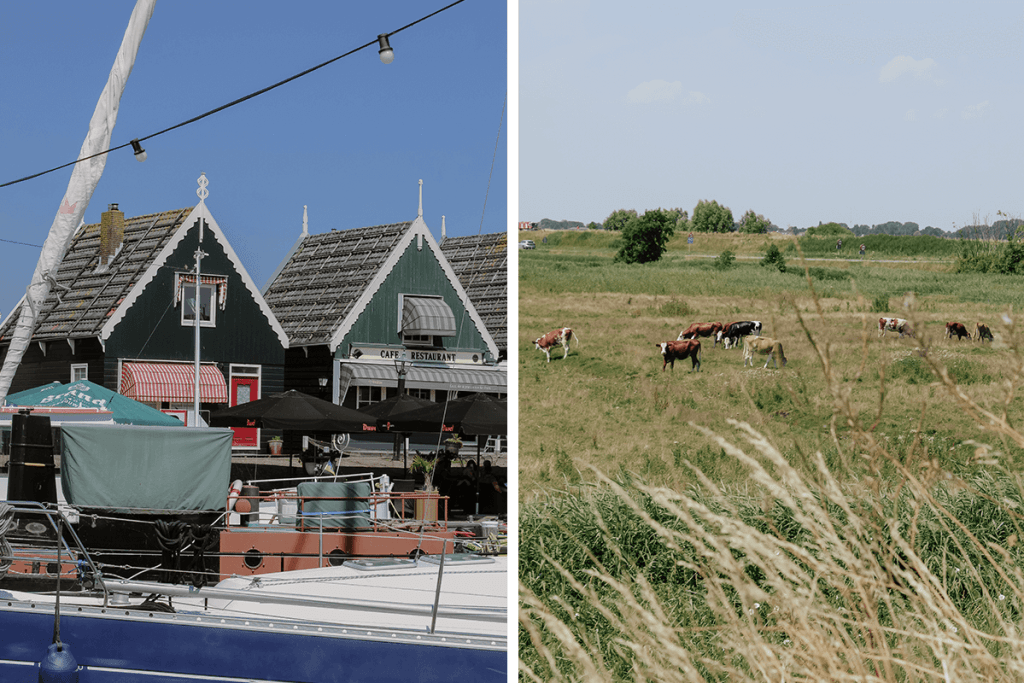
Be sure to… One of Stein’s tips was to cycle to the island of Marken—a flat, scenic ride of about 25 kilometres that takes you past wide green pastures, grazing horses and winding dikes. The route follows the edge of the IJsselmeer, eventually leading to a long causeway that delivers you straight onto the island. Once isolated by water, Marken was a fishing village known for its brightly painted wooden houses on stilts. Today, it’s a living postcard of old-world charm, where locals still wear traditional dress on special occasions, clogs are still made by hand in a workshop, and the rhythm of life follows the tides.
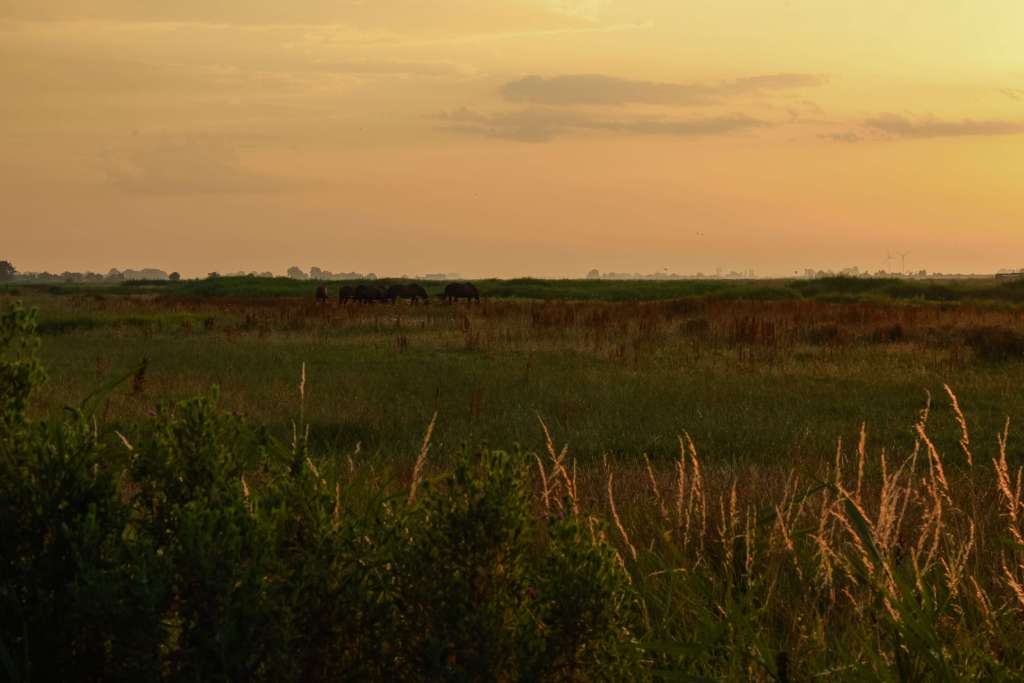
Parting words… As much as visiting during a heatwave meant that we experienced a high summer daydream of swimming, cycling, and dining on the dock as the sun set (which, by the way, was past 10pm), returning in winter to cozy up by the fire would cast Durgerdam in a whole new, possibly more quietening, light.
Date of stay… 1-2 July 2025
Leave a Reply
You must be logged in to post a comment.