We New Yorkers have been losing friends to Philadelphia for a long time now. The lifestyle, the rent, the art, the food! And yet, unlike the ones we lose to LA or Berlin, and more like the ones on the Upper West Side (for Brooklynites), we don’t see them enough. One notch too far for a casual hang, one notch too close to make a full trip of it. Or so we kept telling ourselves. The occasion of the opening of the long awaited Calder Gardens gave us the perfect reason to hop in the car and head down to Philadelphia. No joke, it took under two hours.
DAY ONE
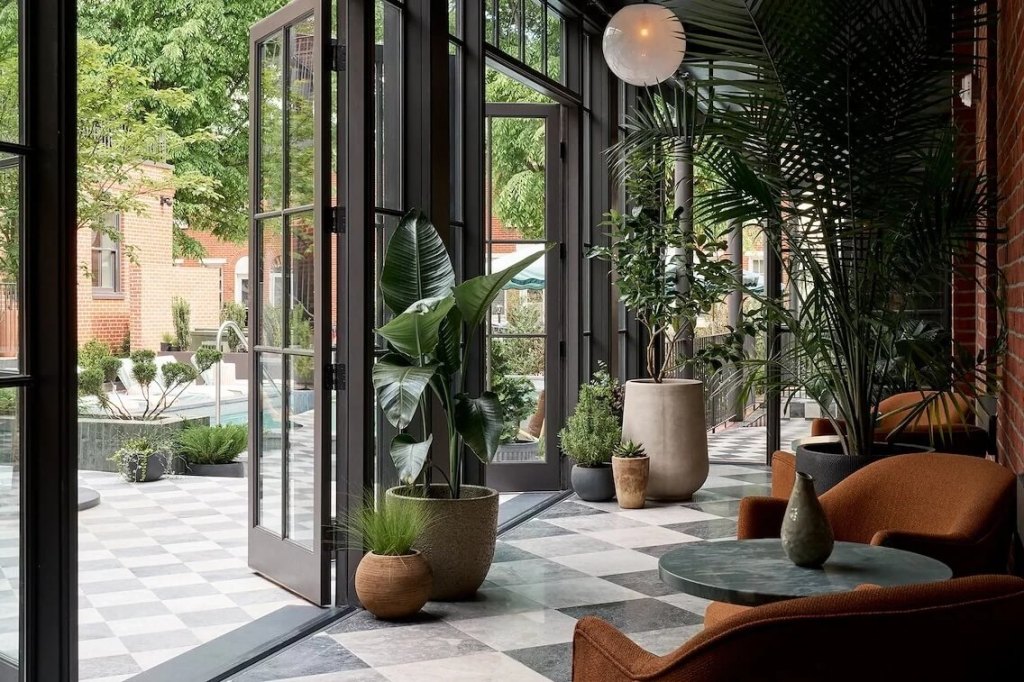
Our first night was spent at the very special 50-room boutique hotel Anna and Bel in Fishtown, the artsy/foodie hipster neighborhood just northeast of the center of town. The beautifully renovated 18th-century former ladies home has three stories with New Orleans-style cast-iron balconies surrounding an interior courtyard with a heated outdoor pool. Without ever seeming on the nose, the mood here is like a private 1930s club, but with a feminine edge. Dusky jewel-like tones of ochre, claret, grey and deep greens in velvets and linens contrast with the light oak finish of the floors and original central staircase. A curated art collection throughout the space contributes to the sense of something special and personal, lending each room its own story. There is a strong throughline of the considered here; rooms are thoughtfully equipped with yoga mats, hidden kitchenettes with everything one could wish for (with more available on every floor in an open necessities closet, which also houses a helpful filtered water spout for refills), Frette bedding and Le Labo amenities. Downstairs is their Sardinian- and Corscian-inspired restaurant Bastia, run by chef Tyler Akin and already a Philly favorite. We especially loved the adjoining cocktail lounge, Caletta, which spills out into the courtyard in warmer months.
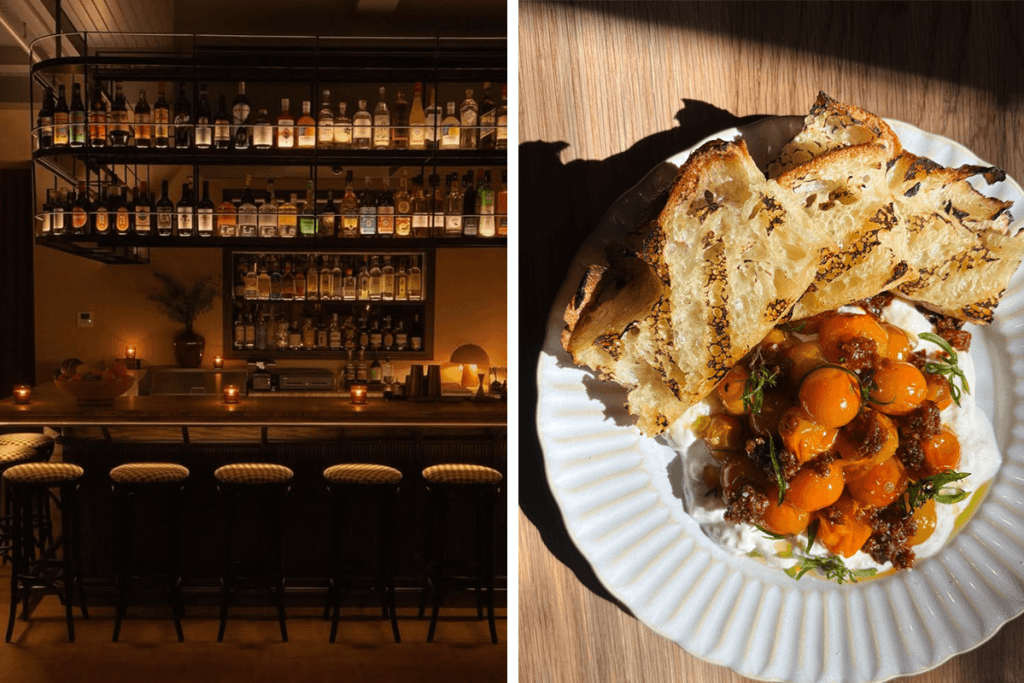
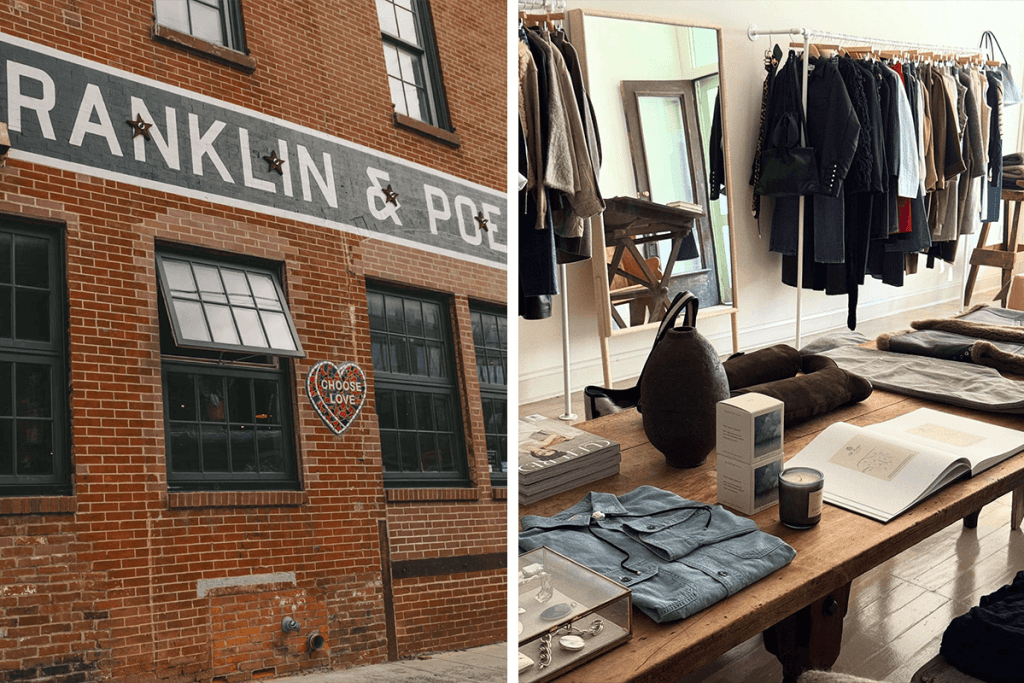
Everyone told me it would be, and Fishtown’s answer to Japandi-inflected concept stores, Vestige, is a true gem. Amidst the in-the-know-coded things like Studio Ford quilts, Fog Linen dishtowels, Sabre cheese knives, and Wonder Valley oils were new and joyful discoveries like Auntie Otie and 6397 sweaters, Haikure denim, vintage finds and more. Most significantly, keeping an eye out for my most discerning friend’s housewarming and about to settle for the cool, but somewhat quotidian, Bauhaus-style kitchen towels I’d picked up in Berlin, I saw the weirdest and most wonderful wine stopper by ceramic artist Andrea Kashanipour. Bingo! Further down the main shopping drag in Fishtown, Frankford Avenue, we also loved men’s emporium Franklin and Poe (with plenty of treats here for women who love men’s tailoring). I left with the perfect loden green merino hat from one of my favorite German brands, Merz b. Schwanen.
For lunch we dropped into the much-loved Middle Child Clubhouse, a casual luncheonette-style spot under an elevated track with classics like reubens and burgers with a little irreverence and style thrown in. My favorite was an unexpectedly elegant latke hashbrown with a fresh green dill cream sauce.Thanks to a great tip from Aperture Executive Director Sarah Meister, we ventured over to the Tilt Institute, a gallery-cum-printing space for photography and print making, which serves as not only a world-class exhibition space, but also as a resource for artist production and community. Currently on view is Pennsylvania-based artist Shikeith’s People Who Die Bad Don’t Stay in the Ground, a stunning show of large-scale photographs in saturated dark tones. Evoking the ongoing tension and loops between past and present, they are both beautiful and haunting. Tilt is one of a few gallery and artist spaces in the Crane Arts Building, and it’s worth it to explore some of the other spaces while you’re there. Another gallery worth a visit is Fleischer/Ollman, a long-standing contemporary art space with a fascinating selection of folk and self-taught artists.
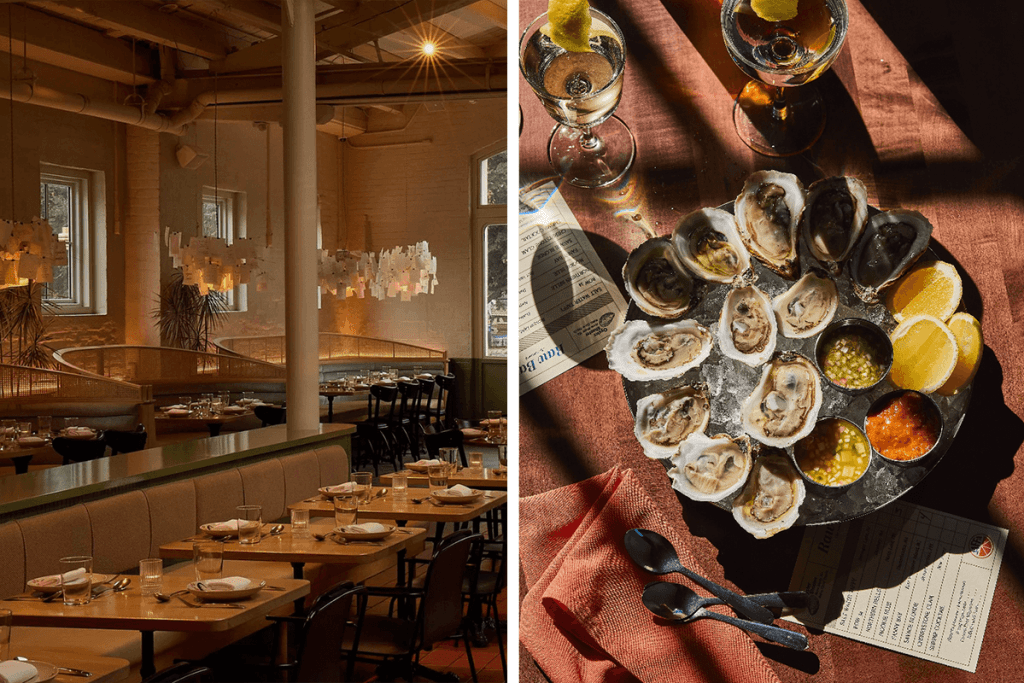
After depositing our day’s treasures and availing ourselves of a deeply restful disco nap in the room, we met friends for drinks at Calleta, and continued on to Jaffa, a fantastic oyster bar and restaurant with Middle Eastern flair and housed in an iconic 19th-century firehouse. Other spots to try in Fishtown are Thai favorite Kalaya, Lebanese Suraya, and Mexican LMNO.
DAY TWO
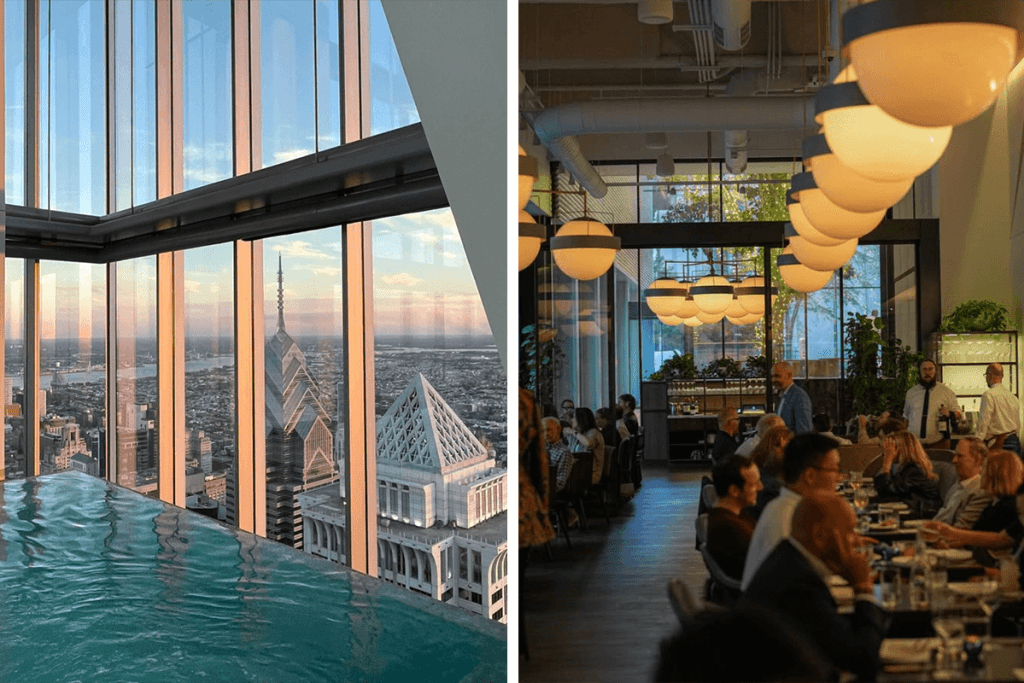
For my second day, I moved over to the Four Seasons, which is a little bit like floating on top of the world as you zip up 60 floors to reception, overlooking the entire city of brotherly love at the dizzying and majestic perch of 1,121 feet. Given its location, just a short ten-minute walk or an easy hop into one of the chauffeured Range Rovers available to guests, it is the perfect home base for a day with the Calder, Barnes, Rodin and Philadelphia Art Museum, all of which are adjacent to one another. The rooms are serene and classic, which grounds the immensity of the view. After a day spent covering the truly deep bench of art in this city, it’s the soft cocoon you crave. I would also highly recommend saving time to lounge by the infinity pool on the 57th floor, and slather on samples from their spa area. In addition to a knockout Jean-Georges Vongerichten dining area on the 60th floor, Philadelphia chef Greg Vernick anchors the ground floor with his always-packed and delectable Vernick Fish.
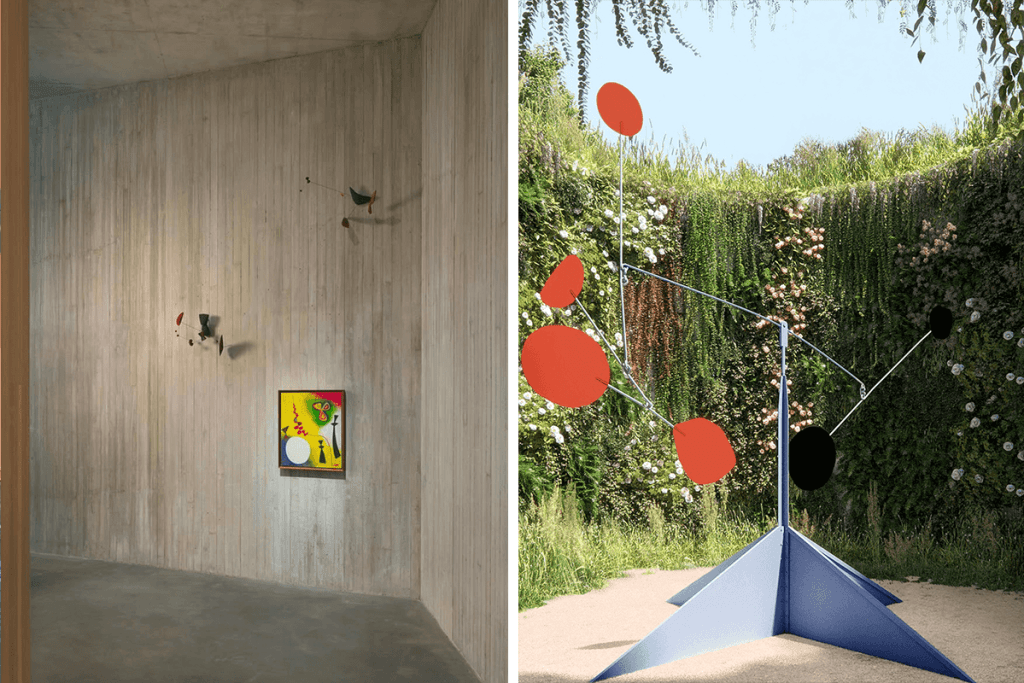
An admission: I always liked them, enjoyed being in them, smelling the roses, etc, but I was never INTO gardens. My in-laws build international travel around visiting famous gardens. That is being into them. All of that changed radically when I was first exposed to Dutch garden designer Piet Oudolf’s work in the early 2000s. His sculptural approach to perennials throughout the seasons—that the colors and stalks of winter aren’t simply dormant and dead, but beautiful themselves—was electrifying. As exemplified in maturity at the High Line in New York City and his own wondrous garden at Hummelo, organic swaths move through space, soften architecture, and keep us engaged throughout the year with changing narratives of shape and tone. It made sense, then, that the Calder Foundation would choose to work with Oudolf to activate the landscape around the Herzog & de Meuron-designed structure housing a rotating array of pieces at the new Calder Gardens. There’s harmony to all the parts: the building, a long sliver of blurred and shimmering reflective metal slices across the two-acre space; the Calder pieces, angular, stoic and musical are in constant shadow play with walls and themselves; and then the garden, still not at full maturity, but already in relation to the building and the art with its alternating zones of softness and spiked buds. They all communicate something moving to the visitor; reflection and play. Peace and close inspection. The building does the clever trick of unfurling into ever greater and unexpected space as you descend and allows for a sort of intimate discovery of the work; for example, one piece, a delicate and smaller mobile in modest unpainted metal, is only viewable through a window tucked into an organic modern tunnel-like stairwell. It might not be out of place on the planet Tatooine, and I mean that in the very best way.
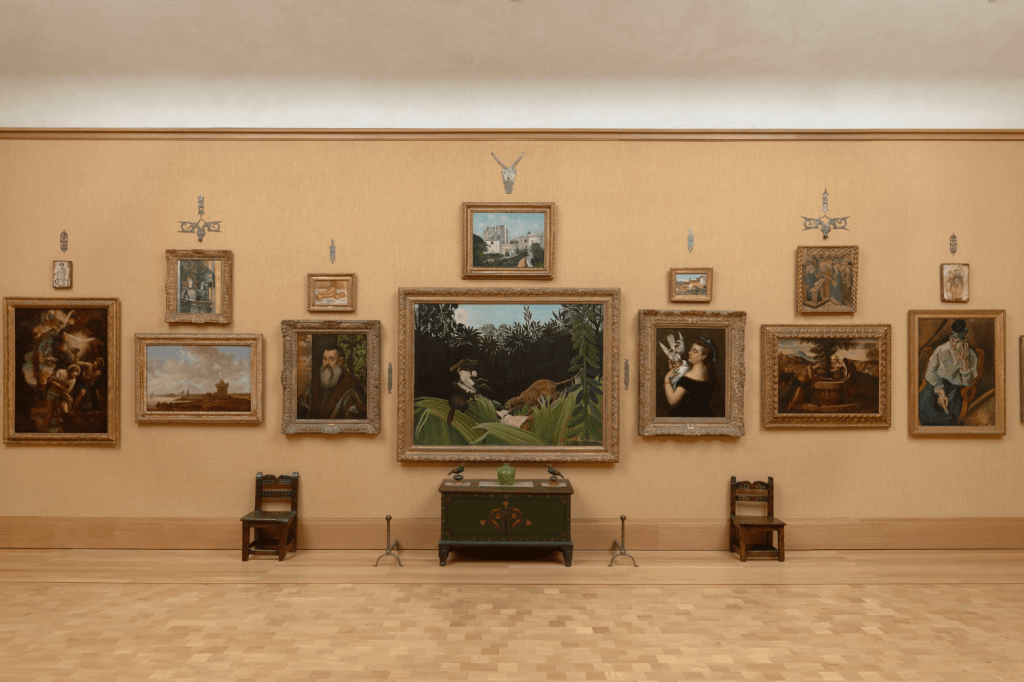
Since moving to its exquisite Tod Williams and Billie Tsien-designed modernist home in 2012, the art collection of the Barnes Foundation is still hung salon style, stacked up and across the walls and very much sans wall text, by intent and decree of Barnes himself and enshrined in ongoing governing rules. To my mind, it’s the ideal way to experience this collection of some of the best Impressionist, Post-Impressionist and Modernist (with a few Middle Ages and Renaissance thrown in) work in the world. To wander through and discover a piece because it gave you pause, not because it has been stamped a major work of art you must photograph and catalogue as an experience. Its effect? The viewer moves through the rooms with a personal lens and lives much more in their own unmediated experience of things like light, form, line and figure. Cezanne and Bosch, centuries apart, share a wall with decorative iron work. It is an exercise in contemplation. Currently showing through the end of February, 2026, is a wonderful Henri Rousseau exhibit also well worth the visit.
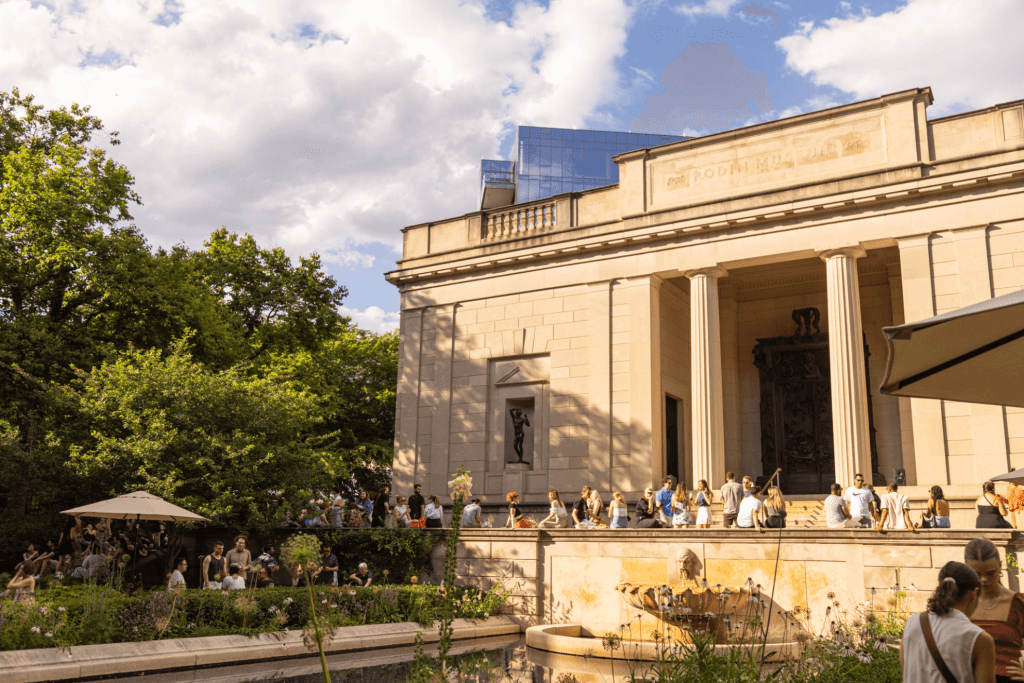
At the top of the cluster of museums lies the Philadelphia Art Museum (note: same place, new name for the Philadelphia Museum of Art, due to a recent, locally controversial rebrand), instantly recognizable to all who remember Rocky bounding up its steps. Like the Barnes, masterpieces of art history are all here —Van Gogh’s Sunflowers, Eakins’ Gross Clinic, Rubens, Cézanne, Turner and more—and without tourists five rows deep with their phones outstretched, as we so often encounter in other cities’ great museums. Also known for its extensive Duchamp collection, the museum is collaborating with MoMA in New York for the first major retrospective of the artist’s work in over fifty years.
A little secret I picked up was that while the celebrated Vernick Fish at the Four Seasons is a hard dinner reservation to snag, it is open for lunch and a perfect break between viewings, especially if traveling with someone who gets museum legs and requires a crisp muscadet with their yellowtail crudo and scallop and ricotta cavatelli!
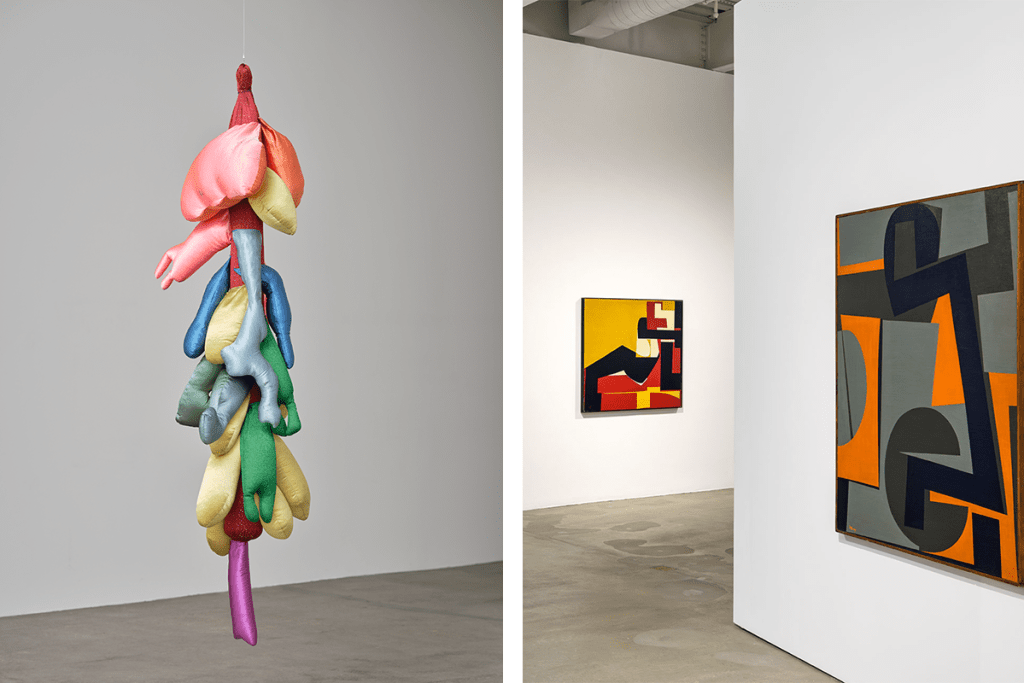
After lunch, a quick zip across the bridge brought us to the Institute of Contemporary Art (within the U Penn complex), where we caught a small but powerful show of Jamaican Abstract artist Mavis Pusey, whose drawings I particularly liked.
From there to the Fabric Workshop and Museum, where I had one of those great where have you been all my life moments discovering the fantastic world of the artist Moki Cherry in the show Living Temple. Moki, the Swedish-born mother of singer Neneh Cherry and wife of jazz great Don Cherry, was the true embodiment of the concept of the Gesamtkunstwerk (total work of art). She made everything from textiles to set design at the Apollo, to jazz album covers and classroom wall hangings for children. I left moved by the reminder that we should all be making and supporting art in our lives, whether we identify as artists or not.
On my way to meet a friend at Rittenhouse Square, which is not far from the Fabric Museum, I popped into The Print Center, a two story non-profit art gallery and print workshop. We especially liked the work of Iranian-American artist Nazanin Noroozi and a photography installation from Will Harris. In the back is a print shop with a range of photographs and prints for flipping through and purchase, including a series that caught my eye of antique photographs from 19th-century Egypt.
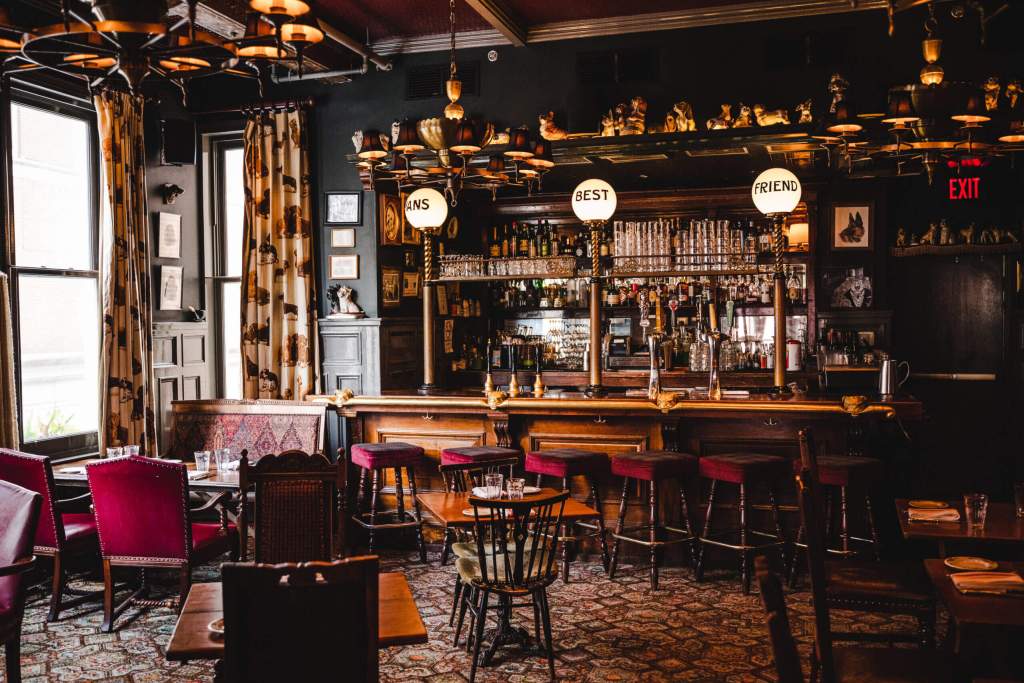
Rittenhouse Square has its stars: French bistro Parc and the brand new Borromini are both worth a visit, but I especially loved the gem my friend claims as her special spot (and also from the Starr group), The Dandelion. Occupying two bustling floors, one with a cozy fireplace, it has the feel of an elevated pub, with updated takes on dishes like Welsh rarebit, devilled eggs, and fish and chips.
While I covered much ground, I left with a foodie wishlist for my next visit, most notably the newly opened Mexican, La Jefa, as well as Dance Robot, a recently launched Japanese diner by the famed duo behind Royal Sushi & Izakaya, Jesse Ito and Justin Bacharach. It was a whirlwind, but one that I hope to repeat, especially now that I know that it’s possibly faster than moving through New York City on UN General Assembly days. Maybe next time I’ll even try a cheesesteak and an Eagles game!
Good to know: The Barnes and the Calder offer tickets for dated and timed entry only, and are sold out sometimes weeks and months before, so purchase them as far ahead as possible.The food scene is serious, and the people of Philadelphia are serious about it, so make reservations in advance for dinners especially.
Leave a Reply
You must be logged in to post a comment.